ExperiencesSafari experience
Big Five Safari
Five animals, three parks, and the patience to find the hardest one.
Photo: Giles Laurent, CC BY-SA 4.0, via Wikimedia Commons
- From
- $1,270 per person
- Per person sharing. Lodging + park fees at low-season rates across a core itinerary, plus baseline drive transport. Excludes international flights and activities.
- Best months
- Year-round

About
About this experience.
The rhino is usually a grey boulder at first. It is mid morning on the floor of the Ngorongoro Crater, the light is flat, and your guide has stopped the vehicle because one of the boulders on the far side of the plain has just moved. Through binoculars it becomes a black rhino, head down, grazing slowly towards a line of buffalo. That moment, more than any lion sighting, is usually the one that completes a Big Five safari in Tanzania.
The phrase itself comes from big game hunters, who used it for the five animals considered hardest to hunt on foot. Today it is simply the best-known checklist in safari, and northern Tanzania is a strong place to attempt it because the Ngorongoro Conservation Area authority lists all five as present within its boundaries. The crater is a collapsed volcano formed two to three million years ago, about 610 metres deep with a floor of some 260 square kilometres, and its closed bowl concentrates wildlife in a way few places can.
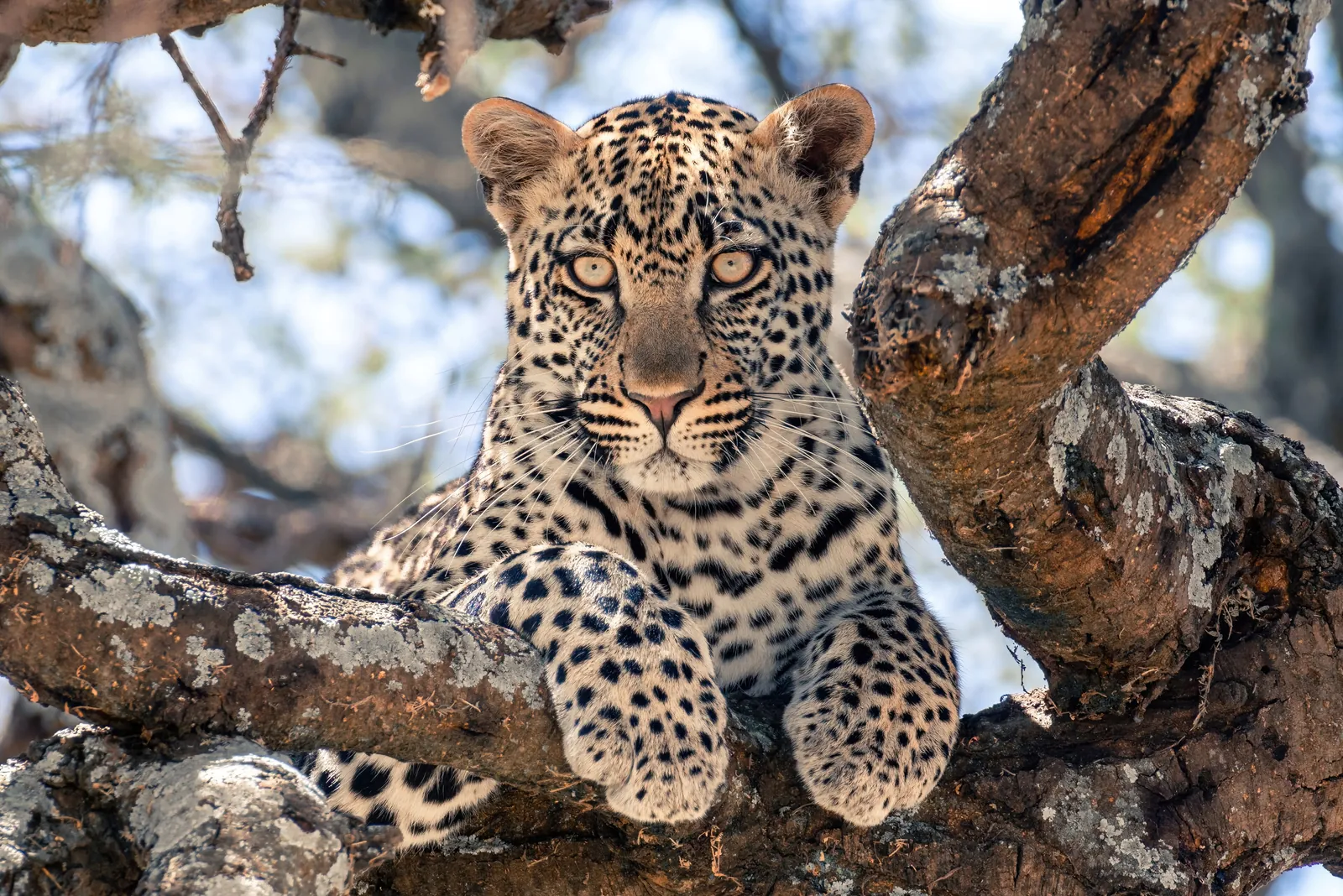
What it is really like varies by animal. Lion and buffalo are typically seen on most days in the Serengeti and the crater. Elephant is usually straightforward in Tarangire, a 2,850 square kilometre park where long-running research by the Tarangire Elephant Project has followed hundreds of individually known elephants in family groups along the Tarangire River. Leopard is a matter of patience; the Serengeti has a healthy population, and guides usually search the wooded river courses around Seronera, but no guide can promise one. Rhino is the real test. Ngorongoro's black rhino population fell from more than a hundred in the 1960s to just 13 in 1993 and has recovered under protection, but the animals are few and often distant. Fausta, a crater rhino first recorded in 1965, lived to 57 and became the oldest known rhino in the world before she died in 2019, a reminder of how long these animals live and how carefully they are watched.
The honest caveats. The Big Five is a checklist, and treating it as one can make a safari feel like a hunt for ticks. Some guests see all five in a day in the crater; others leave without a leopard after a week. Rhino sightings are usually at a distance, so bring binoculars. The crater floor is busy at peak times, and the authority's rules cap vehicles at a sighting and keep them at least 25 metres from animals, which protects the wildlife but means patience at popular spots.
We build Big Five trips around the parks that genuinely give the best chance. Ngorongoro for rhino, ideally with a night on the rim at a lodge such as Ngorongoro Explorer or Lion's Paw on the eastern side, so you can be at the gate early. The central Serengeti around Seronera for lion and leopard. Tarangire for elephant and buffalo. Your quote shows each fee as it really is, including the Ngorongoro entry fee per person and the crater service fee of 295 US dollars per vehicle per descent, so the cost of the crater visit is never hidden in a package.
It suits first-time safari travellers who want a solid foundation of iconic wildlife, families, and anyone with five or six days on the northern circuit. If you have seen the Big Five before, ask us about specialist trips built around cheetah, walking or the migration instead.
How to structure it
Building it into your trip.
A seven night northern circuit gives the strongest odds: two nights in Tarangire for elephant and buffalo, one night on the Ngorongoro rim with an early crater descent for rhino, and three or four nights in the central Serengeti for lion and leopard. Drive the first half from Arusha and fly back from the Serengeti to save a long road day. Visit the crater on a weekday morning if possible, when the floor is quieter. Add Zanzibar at the end for four or five nights if you want sea after the dust.
Best time to go
When to go.
- January: best
- February: best
- March: best
- April: best
- May: best
- June: best
- July: best
- August: best
- September: best
- October: best
- November: best
- December: best
Best months: All year.
Gallery
A closer look.
Photo credits
- 01Photo: Giles Laurent, CC BY-SA 4.0, via Wikimedia Commons
- 02Photo: Giles Laurent, CC BY-SA 4.0, via Wikimedia Commons
- 03Photo: Charles J. Sharp, CC BY-SA 4.0, via Wikimedia Commons
- 04Photo: Christoph Strässler, CC BY-SA 2.0, via Wikimedia Commons
- 05Photo: Eric Kilby, CC BY-SA 2.0, via Wikimedia Commons
- 06Photo: Giles Laurent, CC BY-SA 4.0, via Wikimedia Commons

Common questions
Questions, answered.
Where is the best place to see the Big Five in Tanzania?
The Ngorongoro Crater is the single best place, because the conservation area authority lists all five as present and it is one of the few accessible places in Tanzania to see black rhino. Pair it with the central Serengeti for lion and leopard and Tarangire for elephant and buffalo, and you give yourself very good odds over a week.
Which of the Big Five is hardest to see?
Usually leopard or rhino. Leopards are solitary and spend much of the day in trees or thick cover, so sightings depend on patience and a guide who knows the territory. Rhino are few and often seen at a distance on the crater floor. Lion, buffalo and elephant are typically seen on most days in the right parks.
How much does the Ngorongoro Crater visit cost?
For non-East African visitors the authority's published tariff is 70.80 US dollars per adult per 24 hours for entry, 23.60 for children aged 5 to 15, plus a crater service fee of 295 US dollars per vehicle per descent. On your Savannah & Sands quote each appears as its own line, so you can see the real cost of the day.
How many days do I need for a Big Five safari?
Six to eight days on the northern circuit is the sweet spot. That allows one full crater day, at least three days in the Serengeti for leopard, and time in Tarangire for elephant. Shorter trips can work but give leopard less of a chance.
Is there a best time of year?
The crater and the central Serengeti hold the Big Five year-round, so any month works. The dry months from June to October make animals easier to spot as vegetation thins, while January and February bring calving on the southern plains. The long rains in April and May can make roads harder going but bring fewer visitors.
Build your trip
Plan a big five safari trip.
Tell us when you can travel and what you most want to see. We'll build a custom itinerary around Big Five Safari with transparent pricing throughout.
Build & price your trip