Up to 3 guests
Tent
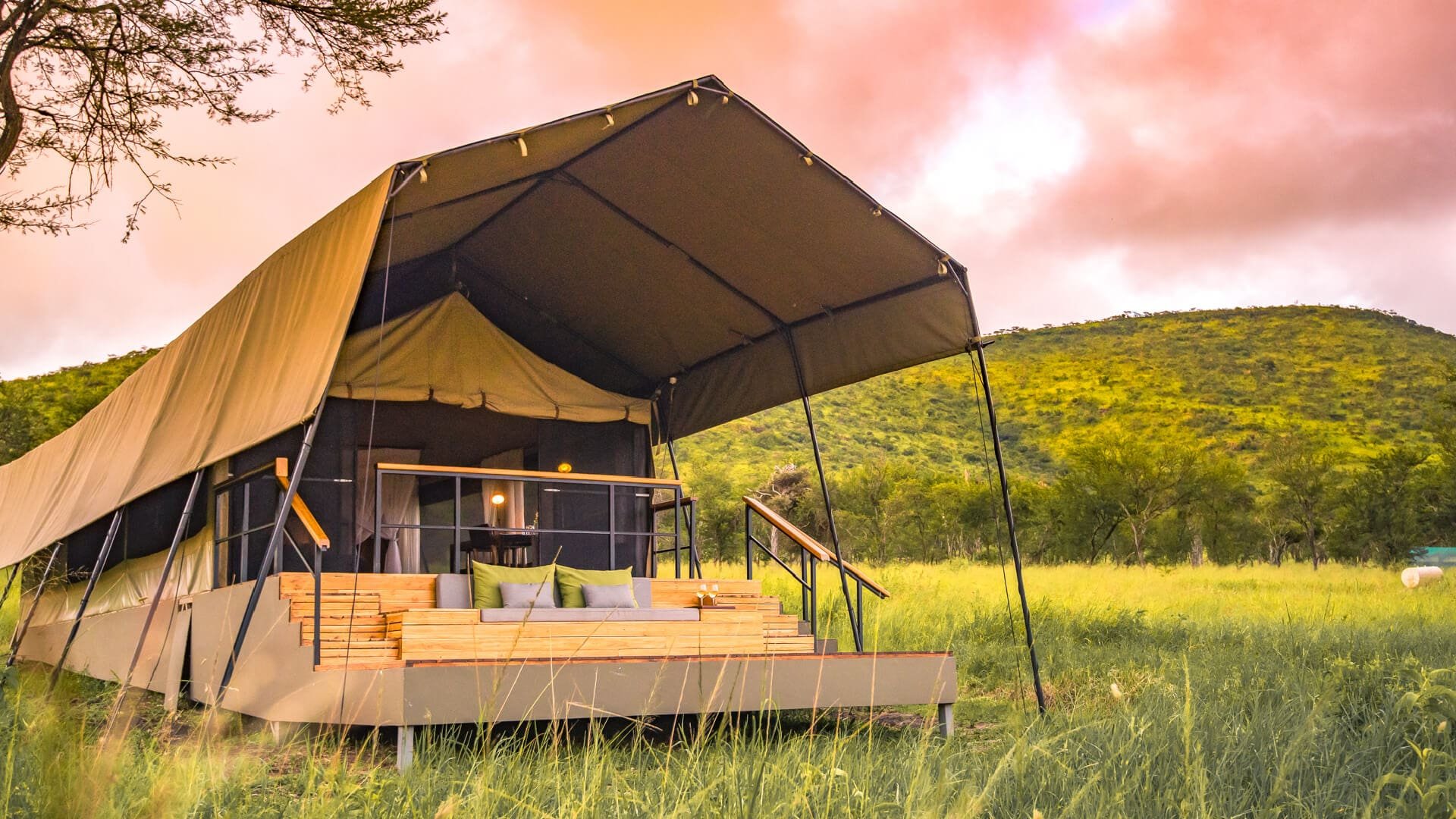
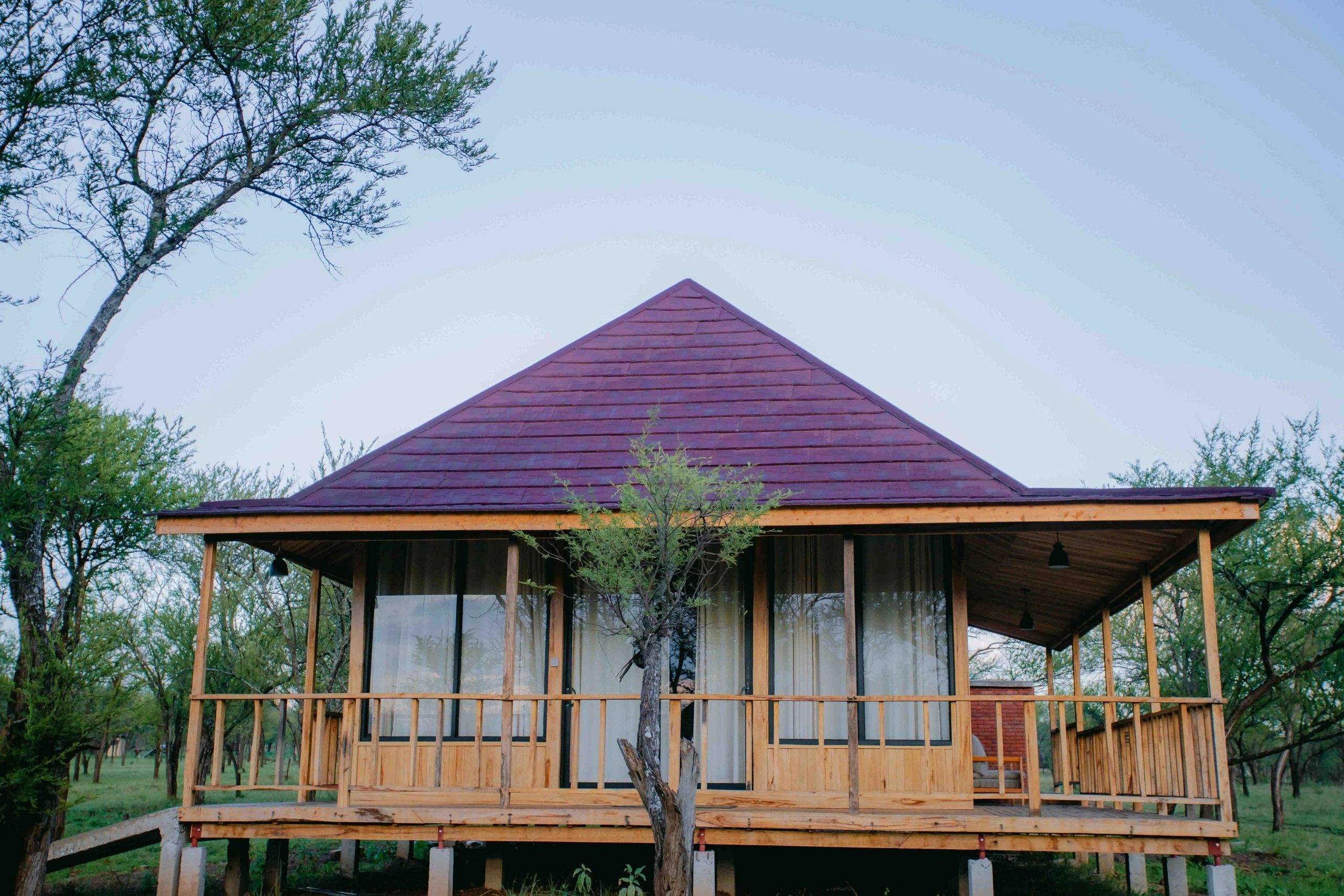
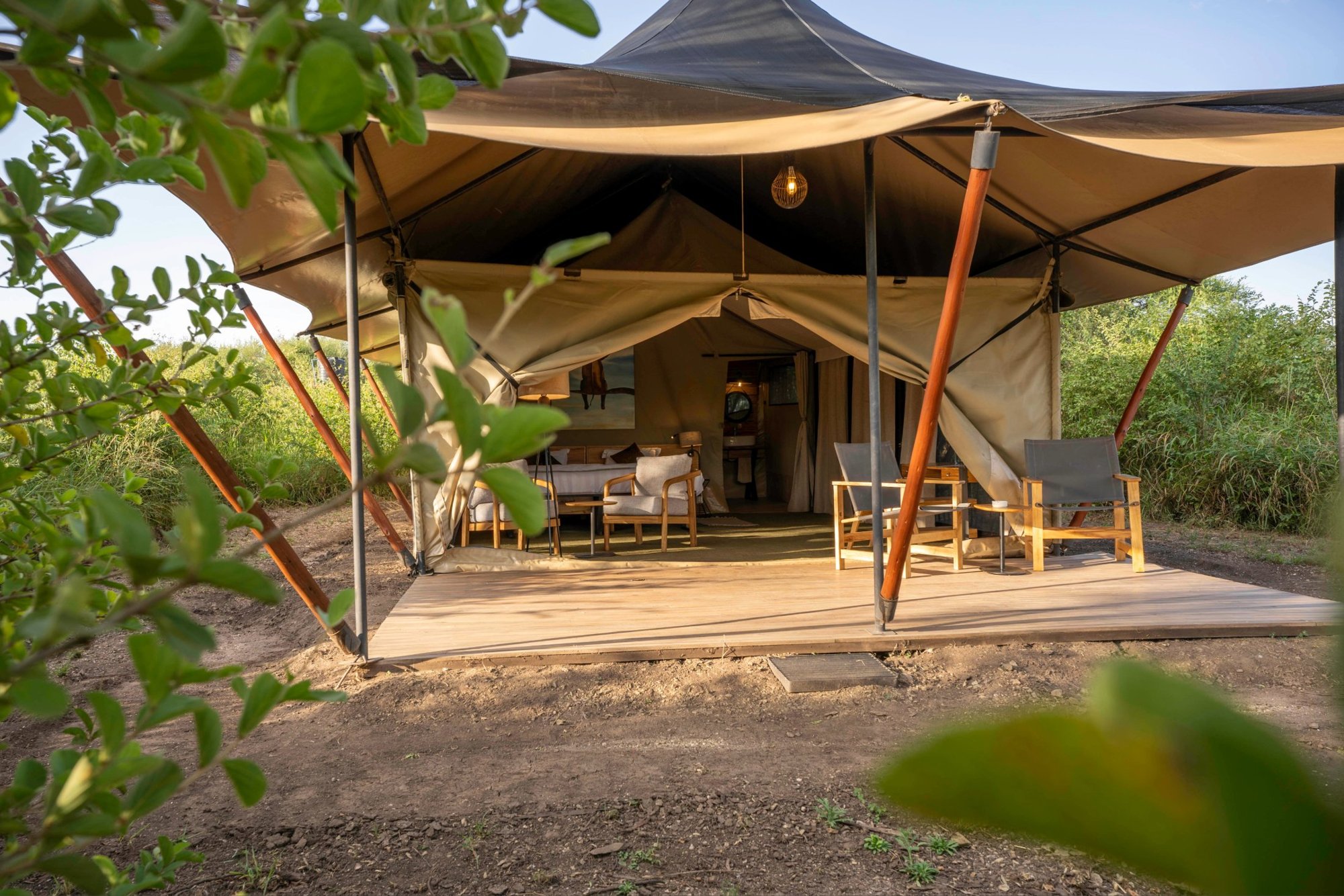
Walk in canvas tents with a king bed or twin beds, an en suite shower filled with solar heated water on request, a flush toilet, a vanity and a veranda. Sold for one, two or three guests.
Lodges & partnersSeronera Central Serengeti
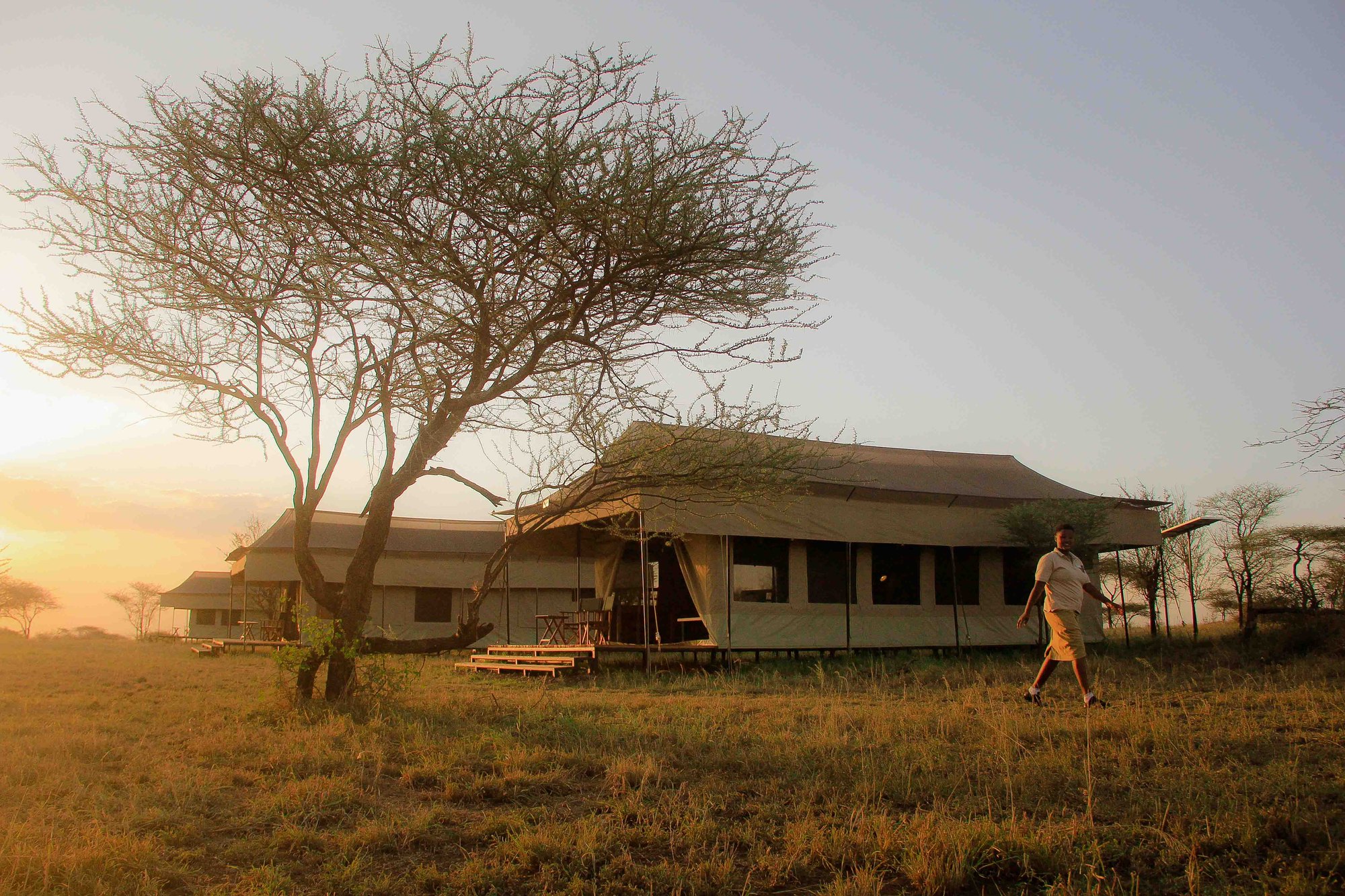
Canvas tents at Sero 2 in Seronera, with the plains of central Serengeti spread out below and animals often heard around camp at night.
About
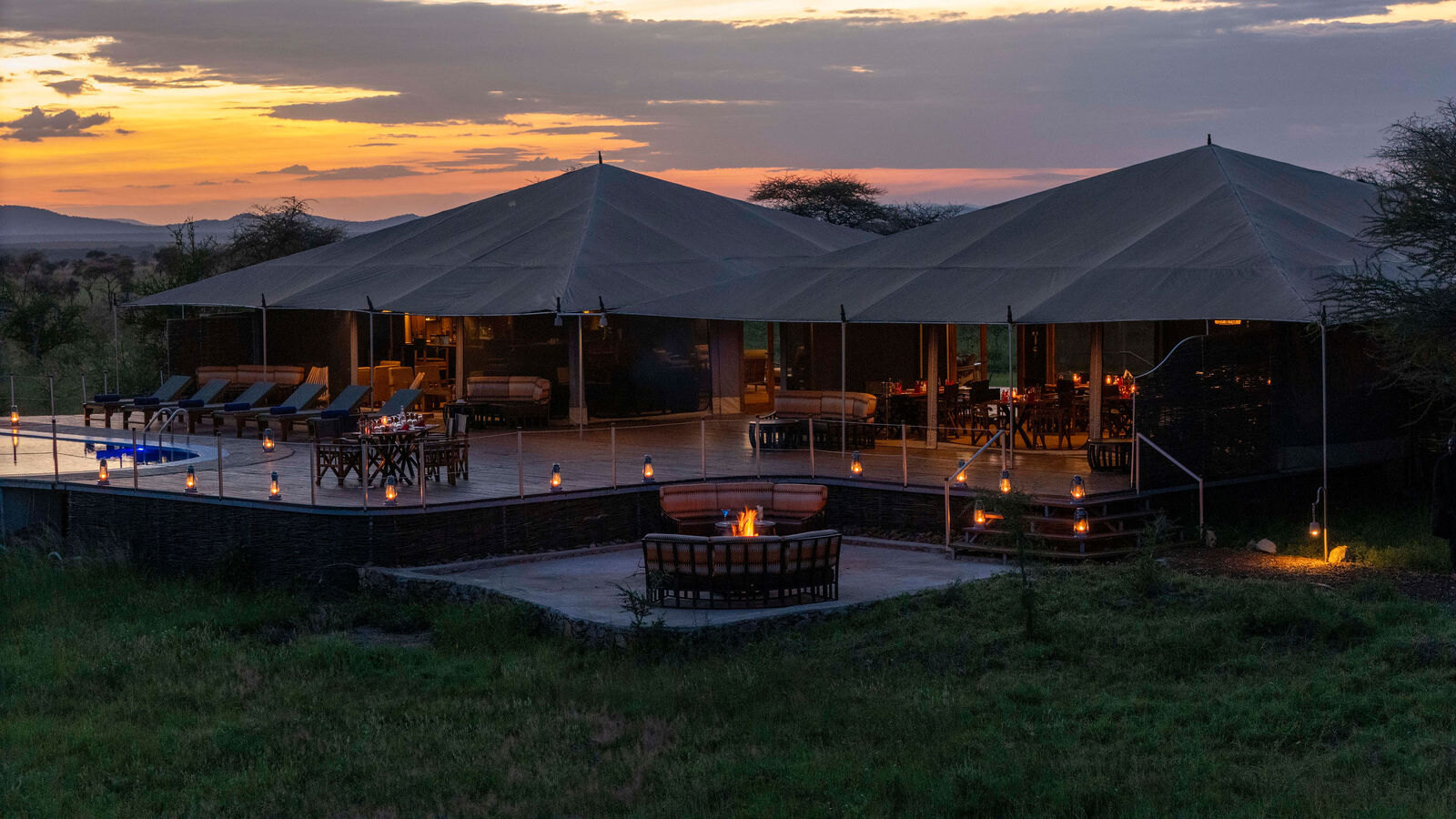
Ang'ata Serengeti Camp sits at the Sero 2 site in Seronera, the middle of the Serengeti, on ground that looks out over open plains and shallow valleys. It is a classic canvas camp rather than a lodge: walk in tents on wooden platforms with a veranda and safari chairs, a lounge tent where the coffee and tea are always on, and a dining tent that can be rolled open to the bush or closed against wind and rain.
Of the 45 guests reviewing the camp on TripAdvisor between November 2024 and September 2026, 25 describe animals around the tents or heard from bed at night: lions by ten of them, hippos by nine, hyenas by eight and elephants by eight, one a herd of about fifteen with calves crossing by the restaurant, and two a leopard in camp. After dark staff walk you to and from your tent, called by radio, which four guests describe, and three mention a hot water bottle at turndown.
The tents are simple and comfortable. Each has a king bed or twin beds with mosquito nets lowered at turndown, a lockable box for cameras and valuables, a flush toilet, a vanity and an en suite shower. Hot water for the shower comes from a tank filled on request, with about ten minutes' notice, which eight guests describe. Every tent runs its own solar panel for light, and phones and camera batteries charge in the lounge. Meals come out of a kitchen that sources fresh produce weekly from Arusha, bakes bread in a bush oven every day and prepares food respecting Halal and Maasai traditions, with vegetarian, vegan and gluten free menus on request.
The point of Seronera is reach. From here a single day covers Moru Kopjes and the Maasai Kopjes rock paintings to the south, Retima Hippo Pool, the Grumeti River and the Western Corridor, Lobo to the north or Turner Springs, and the resident lions and leopards of the Seronera valley live close to camp all year. Seronera airstrip is about fifteen minutes away by road.
The camp takes children from five to fifteen alongside adults, so it is not the place for anyone with a child under five.
Signature experiences
Seronera sits in the centre, so Moru Kopjes, Retima Hippo Pool, the Western Corridor and Lobo are all within a day out from camp.
Early morning balloon flights over the Seronera plains, arranged in advance through the camp reservations team.
Breakfast, lunch or dinner set up out in the bush, priced on request and booked ahead.
Gallery
Room types
Walk in canvas tents with a king bed or twin beds, an en suite shower filled with solar heated water on request, a flush toilet, a vanity and a veranda. Sold for one, two or three guests.
At a glance
Best time to visit
Best months: June to October and December to March.
Location & access
Seronera Central Serengeti
About one hour by light aircraft from Arusha Airport (ARK) to Seronera airstrip, then roughly fifteen minutes by road to camp.
Around 6 to 8 hours from Arusha by road, normally broken with a night in Karatu or on the Ngorongoro rim before continuing into central Serengeti.
On the map
2.419° S, 34.821° E
What's included
Frequently asked
At the Sero 2 site in Seronera, the central Serengeti, with a view over the plains and valleys. Seronera airstrip is about fifteen minutes away by road.
Most guests drive from Arusha over two days with a night in Karatu or on the Ngorongoro rim. The quicker option is a light aircraft flight of about an hour from Arusha Airport to Seronera, then a short road transfer.
Full board: breakfast, lunch and dinner, plus coffee and tea in the lounge and bottled water in your tent. Serengeti camping fees and the 1 percent Tourism Development Levy are charged on top, and your game drives come with your itinerary.
The camp accepts children from 5 to 15 years with adults. A child sharing with an adult pays half the adult rate, a child in their own tent pays 70 percent, and from 16 years guests pay the adult rate. Children under 5 cannot stay.
Seronera works all year because lion and leopard live in the valley permanently. The camp's High Season runs from 10 December to 31 March and from 15 June to 14 September. The months in between are quieter and priced lower.
Yes. The camp is open throughout the year, with a High Season from 10 December to 31 March and 15 June to 14 September.
Each tent has its own solar panel and battery for lighting, and phones and camera batteries are charged at the station in the lounge tent.
Not alone. The camp is unfenced and animals move through it at night, so staff walk you to and from your tent. Four of the 45 guests reviewing it from November 2024 to September 2026 describe calling them by radio.
Yes. Vegetarian, vegan and gluten free menus are available on request, and the central kitchen prepares food respecting Halal and Maasai traditions. Note your needs when you build your trip so they reach the camp in writing.
Tap water is not for drinking. Sealed bottled water is provided in every tent for drinking and brushing your teeth.
Each tent has an en suite shower fed from a tank that staff fill with solar heated water on request, with about ten minutes' notice. Eight of the 45 guests describe it, and two suggest keeping the shower short.
Seronera is a remote part of the park, so carry travel insurance that includes air evacuation. Note any medical needs when you build your trip so the camp can prepare.
Yes. From 1 October 2026 visitors entering mainland Tanzania must hold the government inbound travel insurance, 44 USD per adult and valid for up to 92 days, covering emergency medical care, evacuation, repatriation and lost luggage. Children aged 3 to 17 pay half and infants under 3 are free. It is bought online before you fly or on arrival, and residents of Tanzania and of East African and SADC countries are exempt. If you land in Zanzibar first, the Zanzibar policy covers you instead. It is paid by you directly and is not part of your trip price.
What's nearby
Granite outcrops a drive south of camp, with Maasai rock paintings and the gong rock that rings like metal when it is struck.
A bend of the Seronera river north of camp where hippo crowd into the shallows in their dozens. Best in the middle of the day.
Minutes from camp, with a shaded walking trail through the kopjes and plain displays on how the Serengeti works as one system.
A long day drive west, following the river line that the herds must cross on their way north.
Nearby
The Seronera Central Serengeti guide: where to stay, when to go and how to get there.
View : Every lodge we work with in Seronera Central Serengeti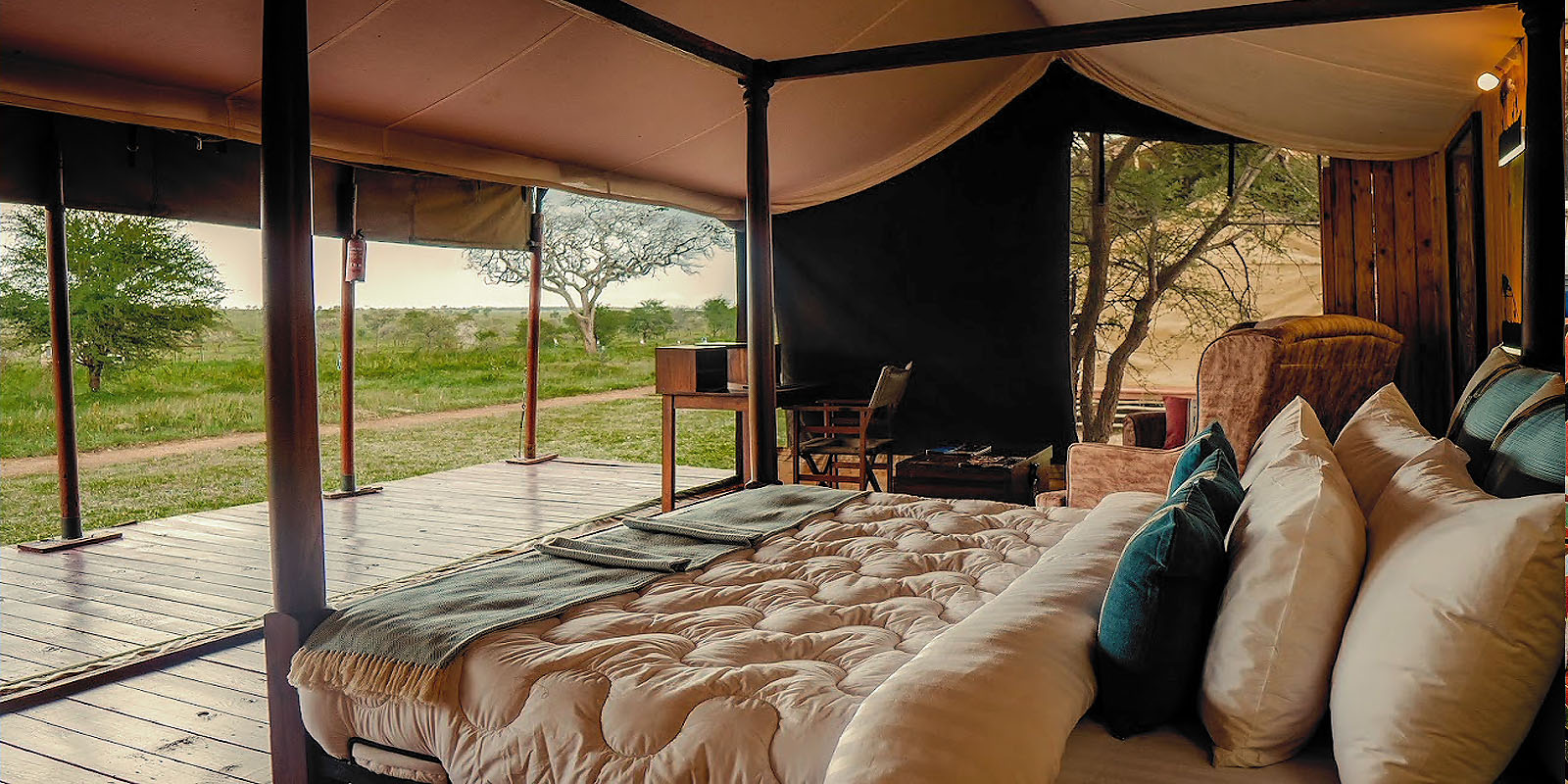
Plan this stay
Build your bespoke Tanzania safari with our team. Real lodge rates and itemised pricing throughout.
Build & price your trip