DestinationsSafari destination · Ngorongoro Conservation Area
Ndutu Plains
The Ndutu plains, on the southern edge of the Serengeti ecosystem, are where the wildebeest come to give birth: from about December to March the short grass fills with herds, and at the peak of calving thousands of calves are typically born each day.
- Drive from Arusha
- 6 Hours
- Recommended nights
- 2 nights
- Best months
- Dec, Jan, Feb +1
- Airstrip
- Fly in possible
About
About Ndutu Plains.
The Ndutu plains, on the southern edge of the Serengeti ecosystem, are where the wildebeest come to give birth: from about December to March the short grass fills with herds, and at the peak of calving thousands of calves are typically born each day.
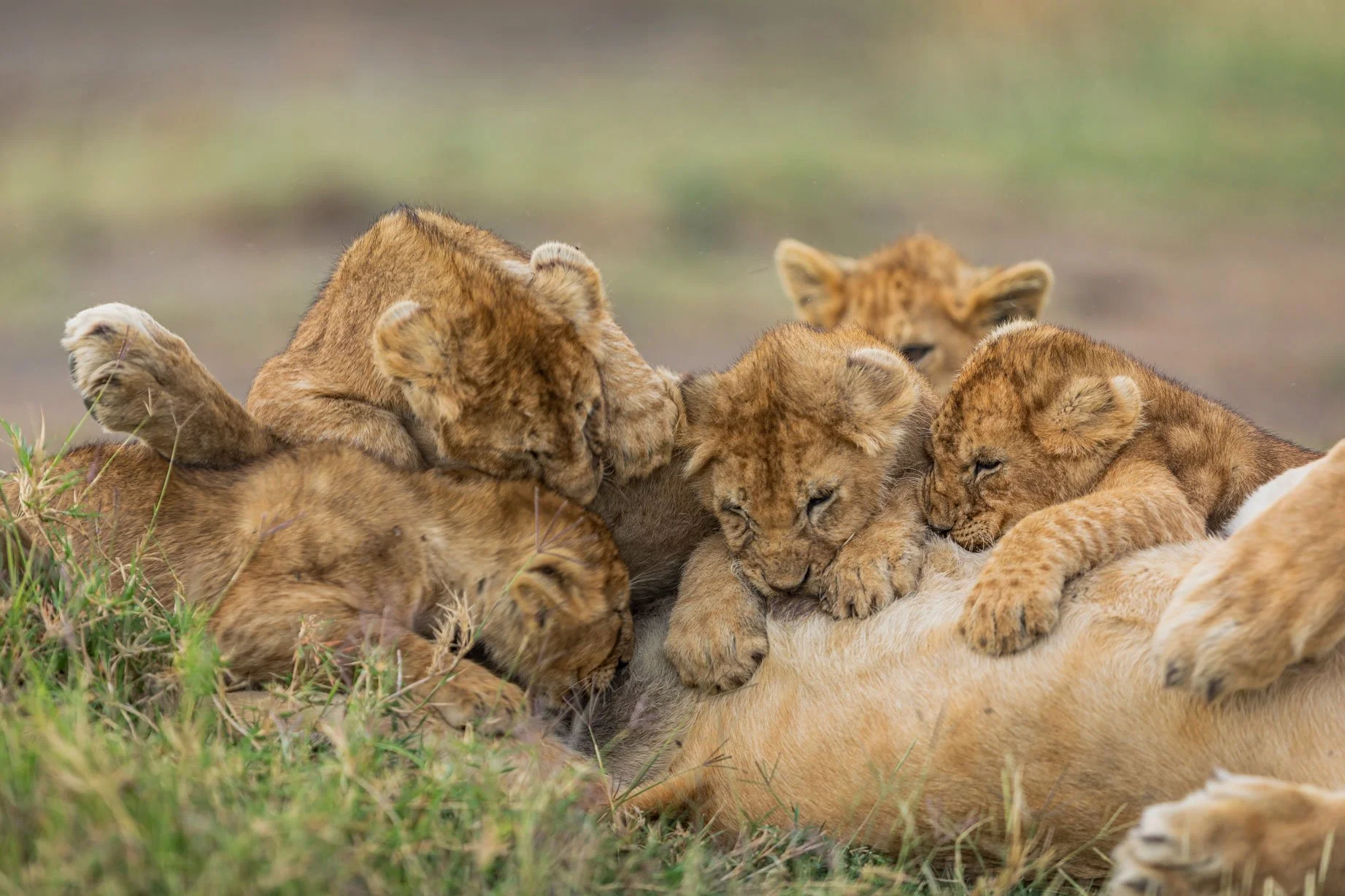
The plains lie inside the Ngorongoro Conservation Area, around the soda lakes of Ndutu and Masek, where the volcanic soil grows short, rich grass after the rains. The herds arrive with the short rains and stay while the grazing lasts, with calving usually at its height in February. A newborn wildebeest is on its feet within minutes, and the predators know it: cheetah work the open grass, lion prides follow the herds, and hyena clans and vultures are never far away. Every sighting is a matter of chance, and the herds move with the rain, so where they are on a given day changes from year to year.
Days here follow the animals. Your driver guide, from the operator you choose, reads where the herds have moved overnight and where the predators are, and the best of the action is often in the early morning. A hot air balloon flight over the plains at dawn and bush breakfasts, lunches and dinners are optional extras, priced before you book.
Many camps are seasonal and open only for calving. Heritage Ndutu Migration Camp and the Malaika camps are pitched on the short grass plains from about December, and Masek Tented Lodge by TWC stands year round on the edge of Lake Masek. Olduvai Camp and Olduvai Ndogo are permanent camps set among granite kopjes near Olduvai Gorge, a short drive from the plains. Nights inside the conservation area carry a concession fee, set out below with the other fees, each on its own line in your trip price.
Outside the calving months the herds move on north and west, the plains grow quiet and most seasonal camps close. Ndutu pairs naturally with the Ngorongoro Crater, a drive of a couple of hours away, and with Seronera in the central Serengeti.
When to go
Best time to visit Ndutu Plains.
- January: best
- February: best
- March: best
- April: not a best month
- May: not a best month
- June: not a best month
- July: not a best month
- August: not a best month
- September: not a best month
- October: not a best month
- November: not a best month
- December: best
Ndutu is a seasonal destination. The herds typically arrive on the short grass plains with the short rains around December and stay into March, and calving usually peaks in February, when cheetah, lion and hyena are busiest around the herds. Green season showers come and go, and the light is often dramatic.
From about April the herds move north and west through the Serengeti, and most seasonal camps close until the following December. The permanent camps stay open, and the plains are then quiet, with resident game and few vehicles. Because the herds follow the rain, the exact timing shifts a little from year to year.
Gallery
A closer look.
On the map
Ndutu Plains and its neighbours.
3.000° S, 34.980° E
Government fees
Fees at Ndutu Plains.
Passed through to the Tanzanian government, paid directly to the authority on top of accommodation. Our trip builder itemises every line. The Tourism Development Levy applies on top, at 1% of the room rate before VAT.
| Fee | Amount | Peak | Basis |
|---|---|---|---|
| Adult Concession Fee | $59.00 | No peak rate | Per person per night |
| Adult Concession Fee (special campsite) | $70.80 | No peak rate | Per person per night |
| Adult Entry Fee | $70.80 | No peak rate | Per person per day |
| Child Concession Fee | $11.80 | No peak rate | Per person per night |
| Child Concession Fee (special campsite) | $35.40 | No peak rate | Per person per night |
| Child Entry Fee | $23.60 | No peak rate | Per person per day |
| TDL (Tourism Development Levy) | 1% of room | No peak rate | Per room per night |
| Vehicle Fee | $16.16 | No peak rate | Per vehicle per day (24 hour permit) |
Read nextThe Serengeti by zoneSerengeti safari costThe great migration month by monthWhich camps close in the long rainsTanzania park fees 2026
Getting there
Drive times to other destinations.
Approximate dry season drive times in a private 4×4. Legs marked as productive game viewing are themselves part of the safari experience. Long legs that need an overnight midway, or transfers we always fly, are flagged in the note column.
| Destination | Drive time | Note |
|---|---|---|
| Ngorongoro Crater | 2 hrs | Game-viewing drive |
| Karatu | 2 hr 30 min | Game-viewing drive |
| Seronera Central Serengeti | 2 hr 30 min | Game-viewing drive |
| Lake Manyara National Park | 4 hr 30 min | Game-viewing drive |
| Tarangire National Park | 5 hrs | Game-viewing drive |
| Arusha City | 6 hrs | Transit drive |
| Grumeti Western Serengeti | 6 hrs | Game-viewing drive |
| Kogatende Northern Serengeti (Mara River) | 7 hr 30 min | Game-viewing drive |
| Lamai Northern Serengeti | 8 hrs | Game-viewing drive |
Where to stay
Lodges and camps here.
Properties we work with directly. Each links to a dedicated lodge page with rooms, amenities, and best months.
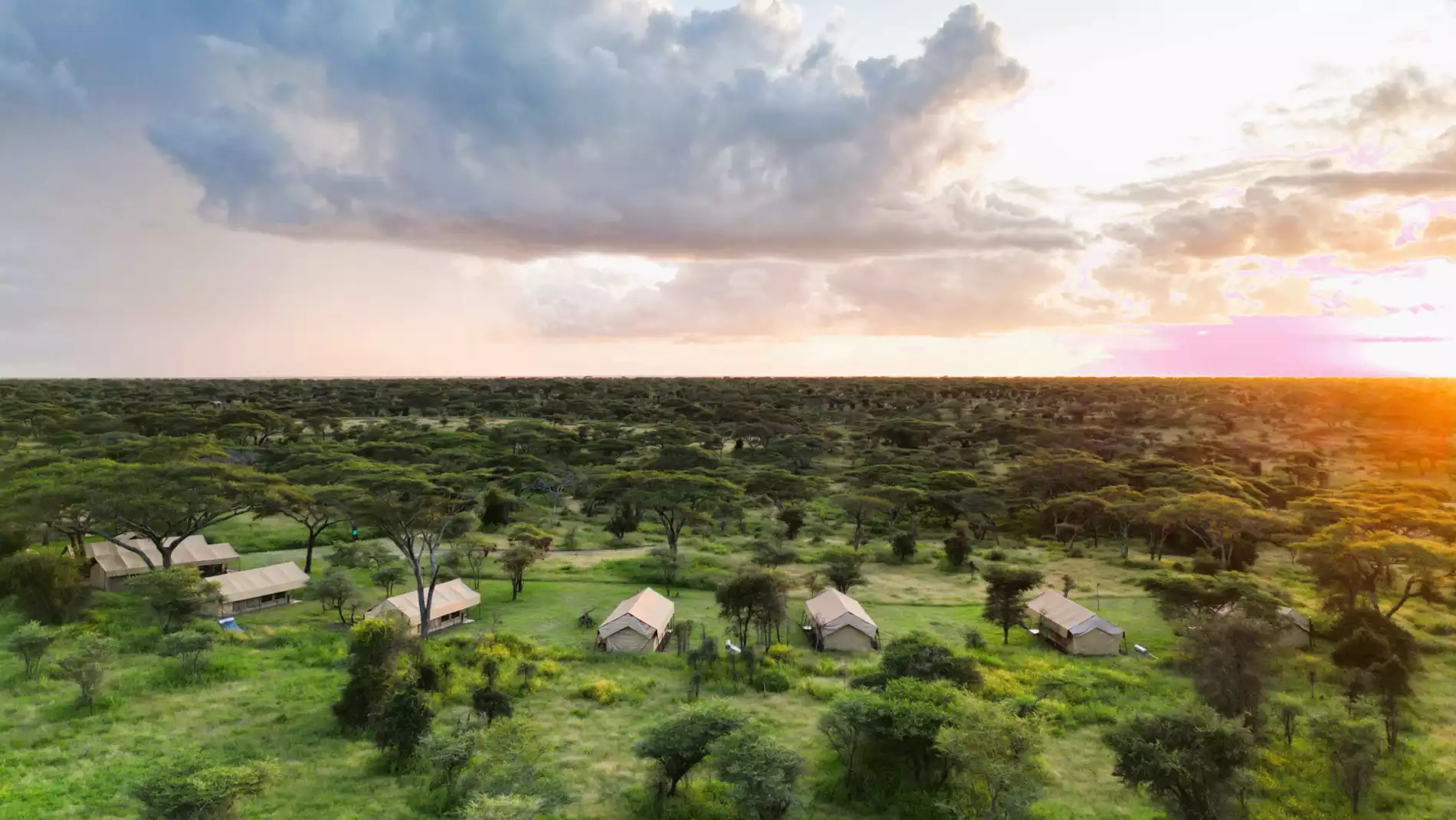
Africa Safari Ngorongoro Ndutu
Twenty six tents on the short grass by Lake Ndutu, where the calving herds usually arrive from December
- Calving Season
- Families With A Child Under 12
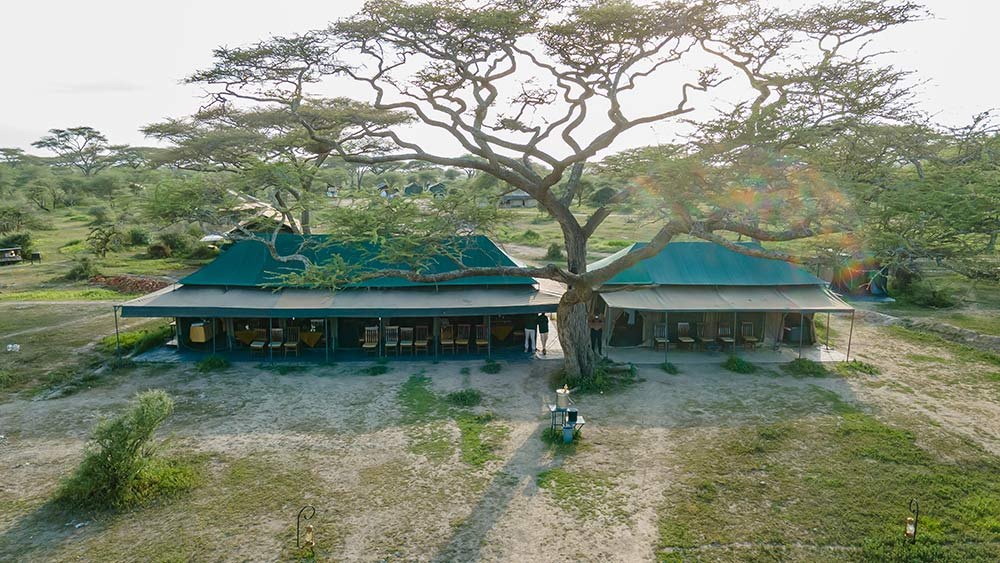
Heritage Ndutu Migration Camp
A seasonal camp on the short grass plains at Ndutu, open mid December to the end of March, pitched on the ground where the wildebeest drop their calves.
- Calving Season
- Predator Action
- Family
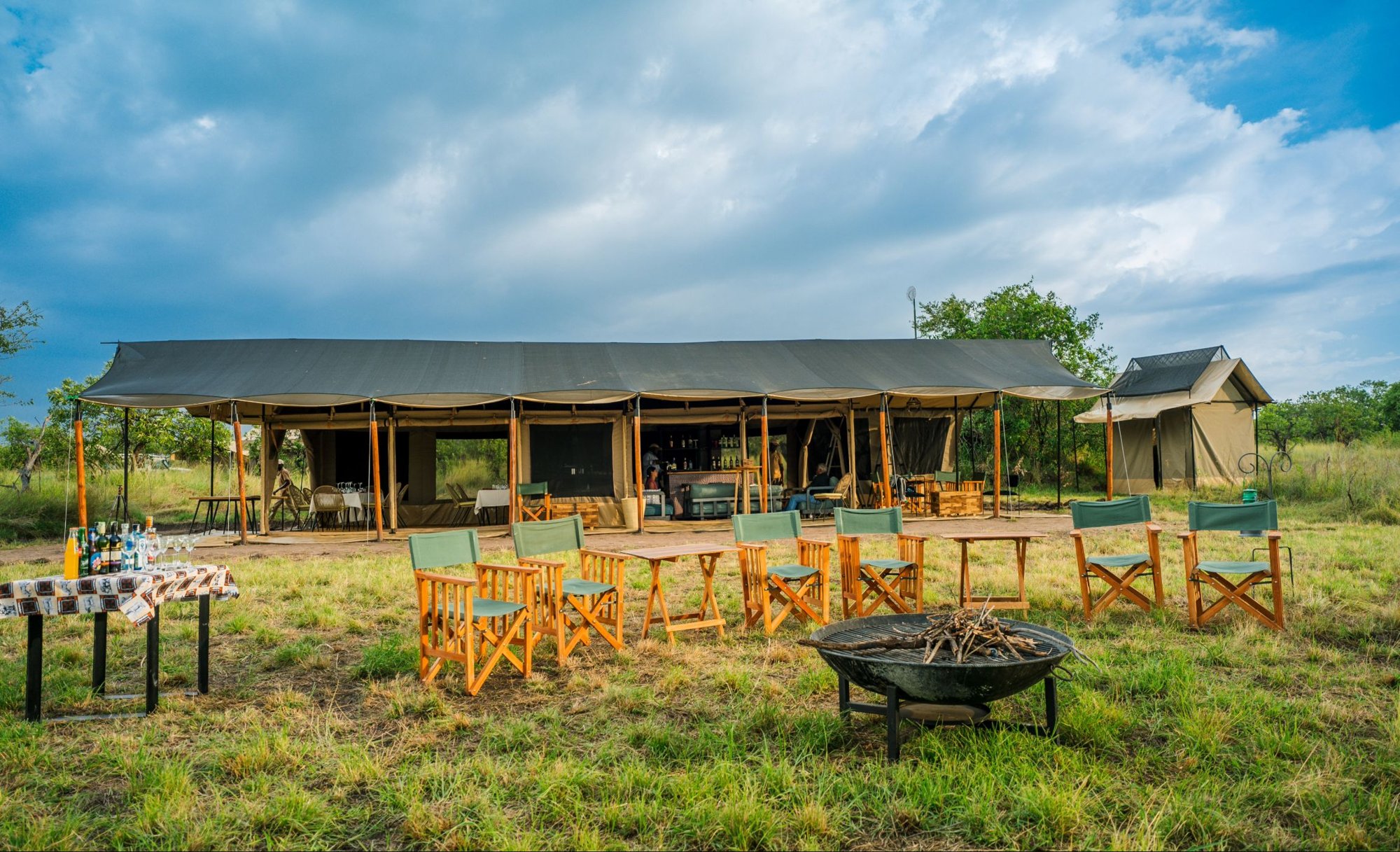
Kirimu Migration Camp, Ndutu
A classic tented camp that moves with the herds, set at Ndutu for the calving season on the southern plains.
- Great Migration
- Photography
- Couples
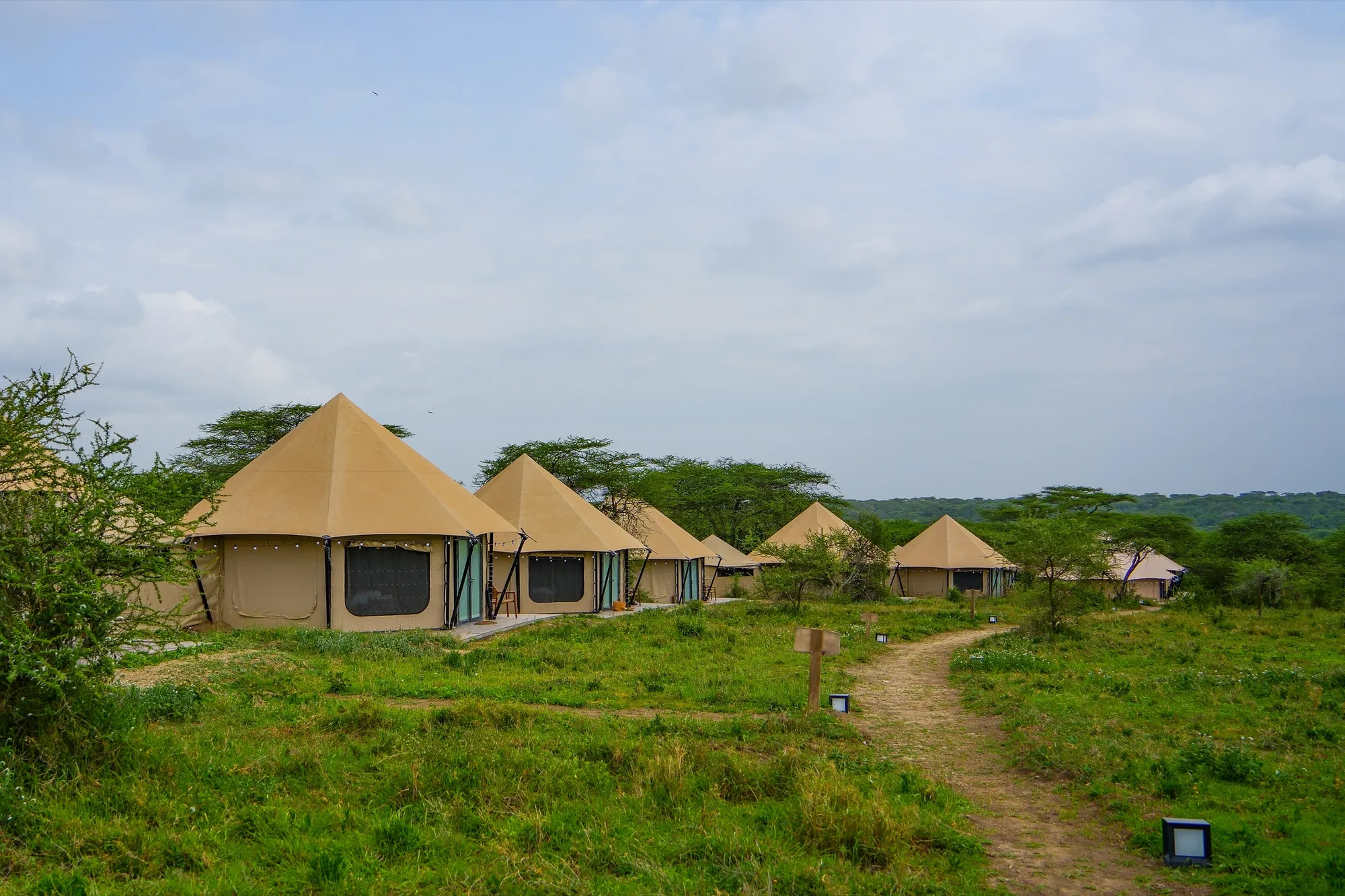
Malaika Ndutu Luxury Camp
Nineteen tents on the southern Serengeti calving plains, open December through April for the wildebeest birthing season.
- Calving Season
- Family
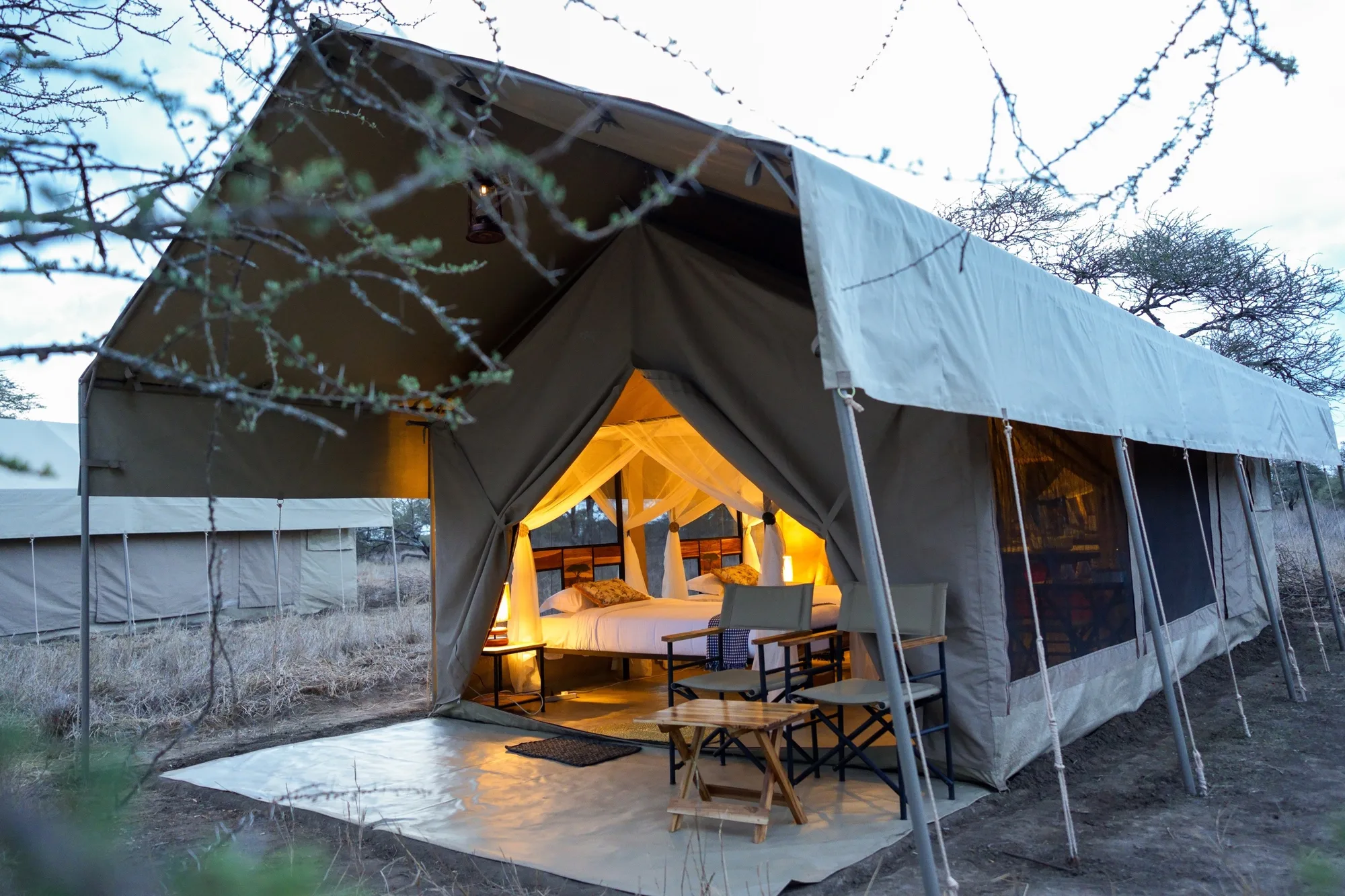
Malaika Ndutu Migration Camp
A sixteen tent mobile camp pitched on the Ndutu plains for the calving season, December to April.
- Calving Season
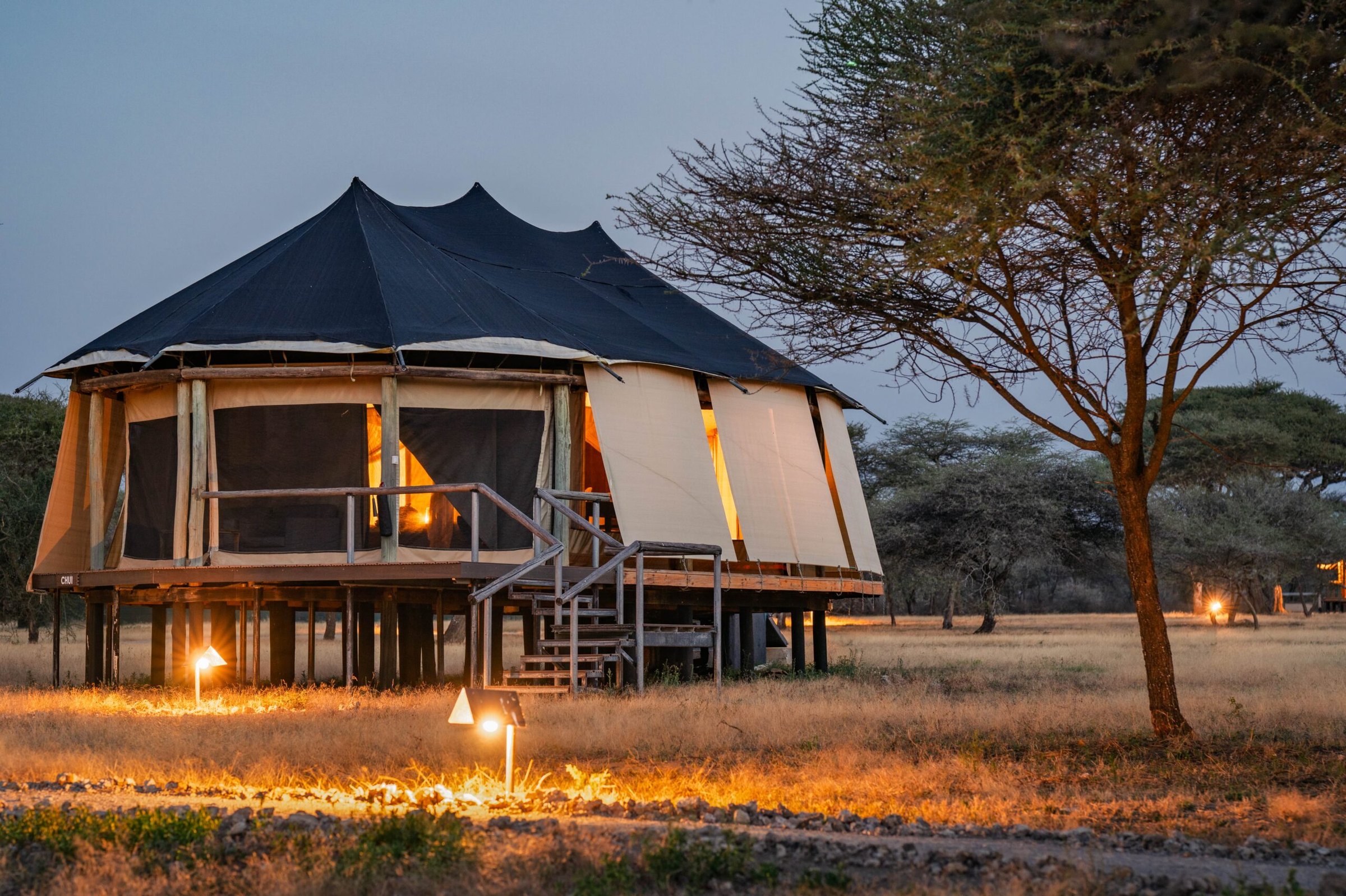
Masek Tented Lodge by TWC
Permanent tents on the edge of Lake Masek in the southern Ngorongoro Conservation Area, a base for the calving season from December to March.
- Calving Season
- Birding
- Family
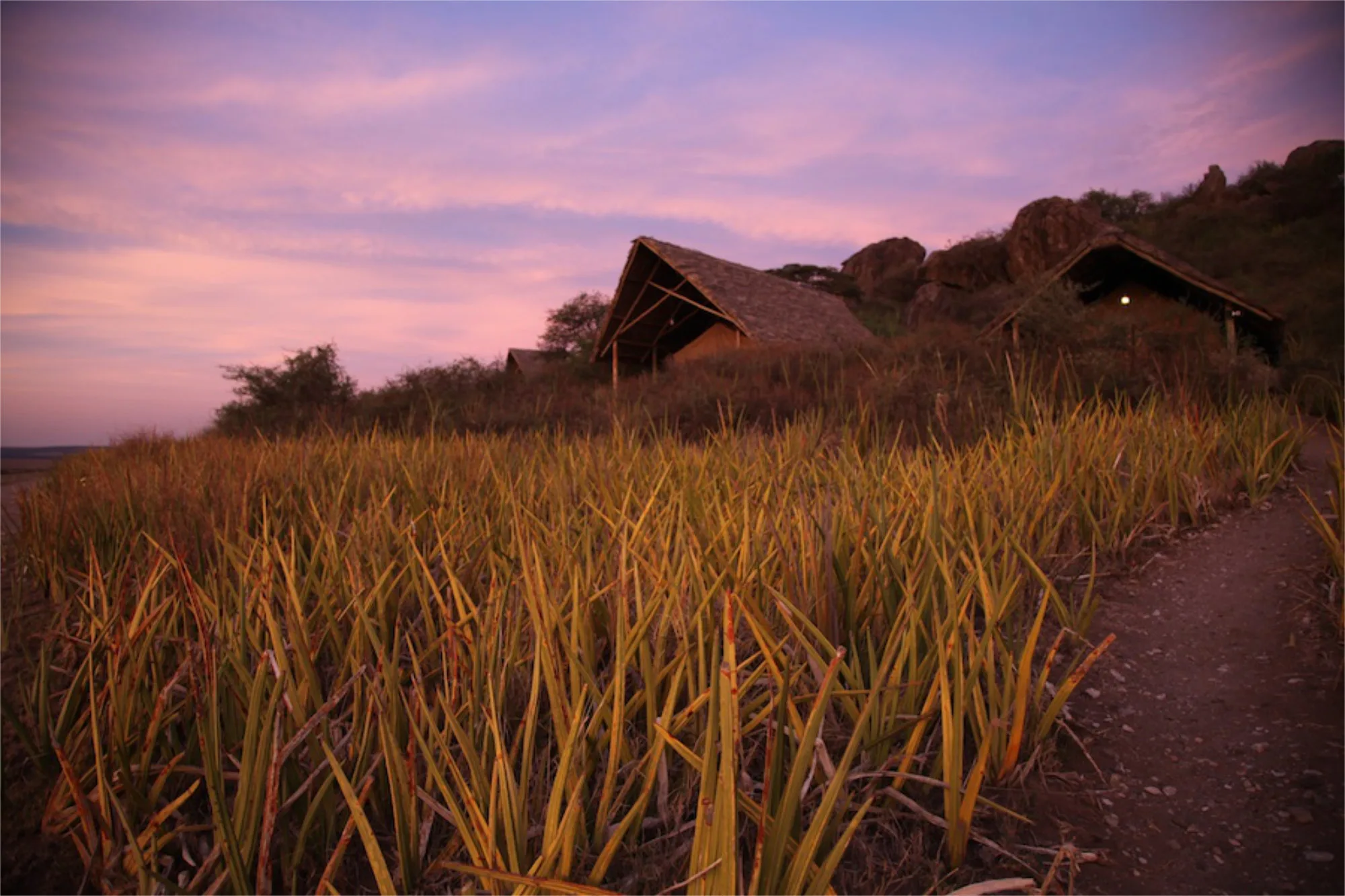
Olduvai Camp
Seventeen tents around a granite kopje near Olduvai Gorge, facing the plain that runs west to Ndutu.
- Calving Season
- Families
- Culture
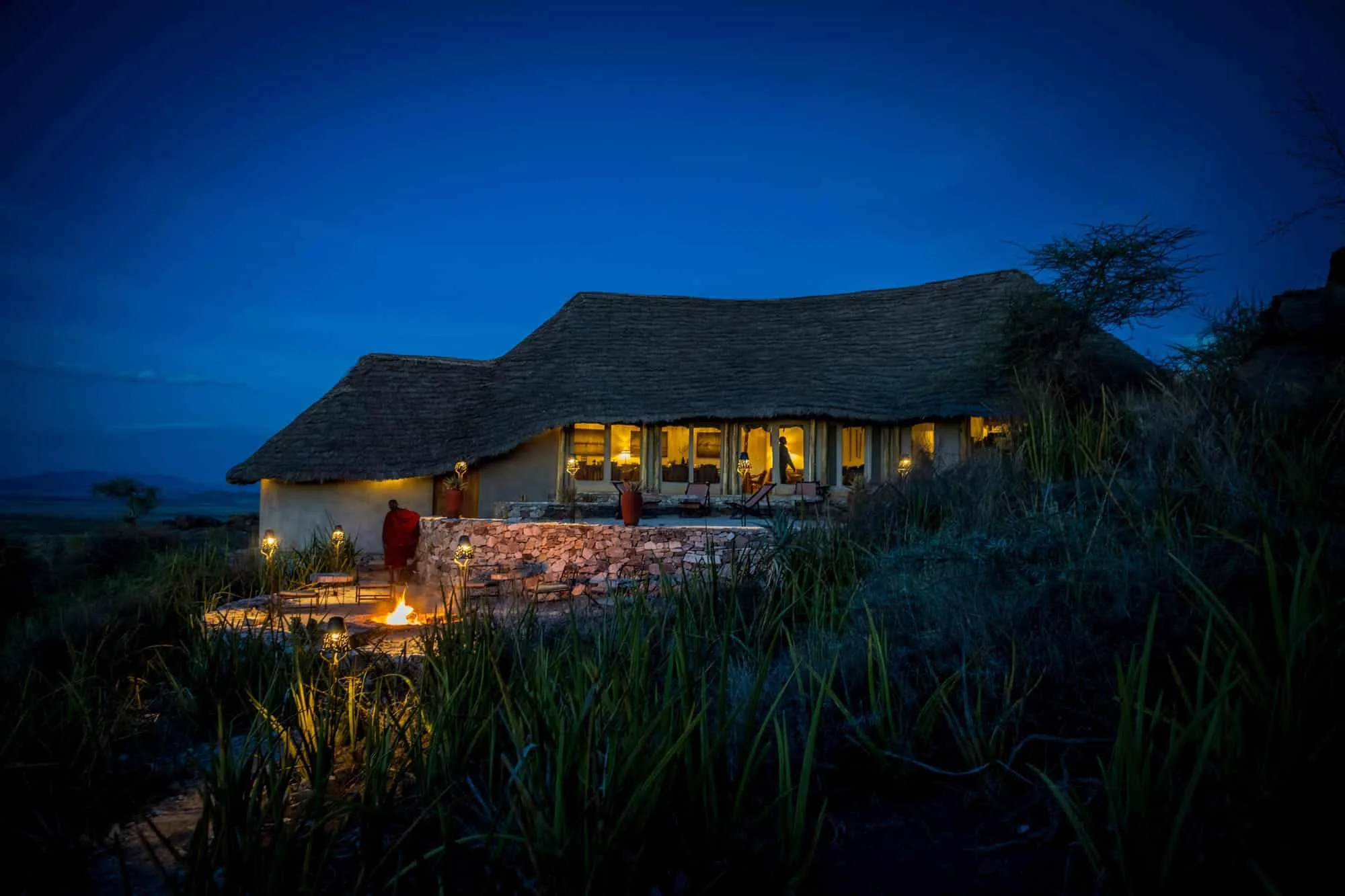
Olduvai Ndogo
Eight tents among the kopjes above Olduvai, where you arrive on foot and the donkeys bring the bags.
- Calving Season
- Small Camps
- Walking
Pure Migration Ndutu Camp
A seasonal camp on the short grass plains at Ndutu, open for the calving months from December through April.
- Great Migration
- Calving Season
- Photography
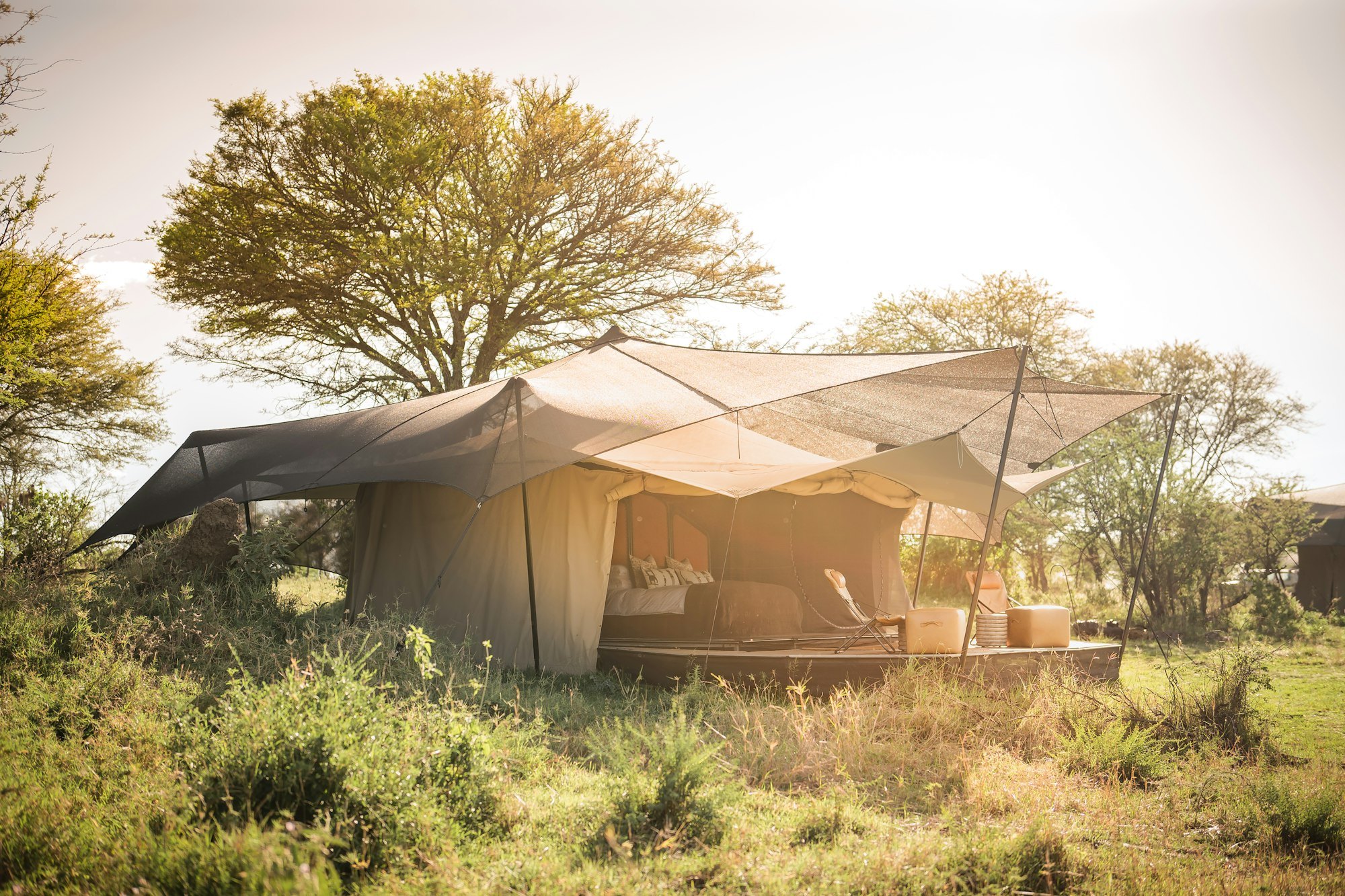
Siringit Migration Camp, Ndutu
Eight canvas tents pitched on the Ndutu short grass for the calving months, five minutes from the airstrip and in the middle of the herds.
- Great Migration
- Calving Season
- Photography
What to do here
Experiences in Ndutu Plains.
The journeys we plan around this destination. Each one covers the best months, what it costs, and how to build it into a trip.
Family Adventure
A safari paced for children: shorter drives, family tents, guides who love questions, and a Zanzibar beach to finish.
Explore : Family AdventurePhotography Safari
A safari built around light and position: unhurried time in fewer places, a private vehicle as standard, and seasons chosen for the pictures you want.
Explore : Photography SafariCalving Season
Around half a million wildebeest calves born on the Ndutu plains, usually peaking in February, and the cheetahs, lions and hyenas that follow them.
Explore : Calving SeasonHot Air Balloon Safari
An hour drifting over the Serengeti or Tarangire at sunrise, then a full breakfast, priced as its own line before you book.
Explore : Hot Air Balloon SafariPrivate Bush Dining
Breakfast on the plains after a dawn drive, a cooked lunch in the shade or a private dinner by lantern light, each an optional extra priced before you book.
Explore : Private Bush Dining
Common questions
Questions, answered.
When is the wildebeest calving season at Ndutu?
The herds are typically on the Ndutu plains from about December to March, and calving usually peaks in February, when thousands of calves are typically born each day. The herds follow the rain, so the timing shifts a little from year to year.
What can you see at Ndutu in calving season?
Large herds of wildebeest and zebra with newborn calves, and the predators that follow them: cheetah on the open grass, lion prides and hyena clans, with vultures overhead. Every sighting is a matter of chance, but the concentration of animals is the reason to come.
Is Ndutu in the Serengeti?
Ndutu is part of the Serengeti ecosystem, on its southern edge, but it lies inside the Ngorongoro Conservation Area rather than Serengeti National Park. Its fees are the conservation area's fees, set out in the table on this page.
How many nights should I spend at Ndutu?
Two or three nights in calving season gives your guide time to follow the herds as they move. Ndutu pairs naturally with a night near the Ngorongoro Crater and with Seronera in the central Serengeti.
Is Ndutu worth visiting outside the calving season?
Not as a main stop. The herds have moved on, most seasonal camps are closed and the plains hold resident game only. From about April to November, the herds are in the central, western and northern Serengeti instead.
Make it part of your trip
Plan a safari that includes Ndutu Plains.
Build your route and see every cost itemised.
Build & price your trip