DestinationsSafari destination · Tarangire Ecosystem
Tarangire National Park
Tarangire is elephant and baobab country: in the dry months, family herds of elephant come down to the Tarangire River beneath trees that have stood for centuries, about two hours by road from Arusha.
- Drive from Arusha
- 2 Hours
- Recommended nights
- 2 nights
- Best months
- All year
- Airstrip
- Fly in possible
About
About Tarangire National Park.
Tarangire is elephant and baobab country: in the dry months, family herds of elephant come down to the Tarangire River beneath trees that have stood for centuries, about two hours by road from Arusha.
The park is named after the river that runs through it, and the river explains everything. From about June to October, when the country around the park dries out, it is one of the few places with water, and wildlife moves in from the Maasai Steppe to drink: elephant, buffalo, zebra and wildebeest, with lion and leopard following them. When the rains come, the animals spread back out across the wider ecosystem, and the park turns green, quiet and full of birds.
The landscape is unlike the rest of the northern circuit: baobabs, red termite mounds, acacia woodland and, in the south, the wide swamps of Silale and Gurusi, which hold water and game deep into the dry season. Tarangire also gives a rare chance of dry country antelope such as fringe eared oryx, gerenuk and lesser kudu, and more than five hundred bird species have been recorded here.
Game drives inside the park run by day with the operator you choose, since night drives are not allowed inside the national park. Around the park, the experience widens. Elephant Springs by Karibu Camps runs night game drives with an armed ranger in the conservancy next to the park, priced before you book. In Randilen, on the park's eastern edge, guided walks and night game drives are optional extras, priced before you book. In Burunge, to the west, the Chem Chem camps include walks and evening drives with their own guide and vehicle, which take over from the operator you choose at the Mdori gate or Manyara airstrip. A hot air balloon flight at dawn, bush breakfasts and dinners, and a visit to a Maasai village are optional extras, priced before you book.
Lodges sit inside the park and on its edges. Inside are small camps such as Kuro Tarangire beside the river in the south, Oliver's Camp near the Silale Swamp, Hilala Camp on the edge of the Gurusi swamp, and Ormatai Rock and Maweninga Camp built into granite outcrops above the baobabs. On the edges, Tarangire Treetops and Nimali Tarangire stand in Randilen, and the Chem Chem camps stand in Burunge. Nights inside the park carry a concession fee, and nights in the management areas carry their own conservation fees instead. The fees are set out below, each on its own line in your trip price, and at the Chem Chem camps the management area fees are already in the lodge rate.
When to go
Best time to visit Tarangire National Park.
- January: best
- February: best
- March: best
- April: best
- May: best
- June: best
- July: best
- August: best
- September: best
- October: best
- November: best
- December: best
June to October is Tarangire's peak. As the surrounding country dries out, wildlife gathers along the Tarangire River and around the southern swamps, and the elephant herds are typically at their largest from August to October. Days are dry and dusty, and the thinning bush makes game easier to see.
November to May is the green season. The animals disperse into the wider ecosystem, but the park is lush and quiet, migrant birds arrive and many species have their young. The long rains from March to May can make some tracks muddy, and a few camps close between mid March and the end of May. In any month, Tarangire sits naturally at the start of a northern safari, on the way to Lake Manyara and the Ngorongoro highlands.
Gallery
A closer look.
On the map
Tarangire National Park and its neighbours.
3.950° S, 36.000° E
Government fees
Fees at Tarangire National Park.
Passed through to the Tanzanian government, paid directly to the authority on top of accommodation. Our trip builder itemises every line. The Tourism Development Levy applies on top, at 1% of the room rate before VAT.
| Fee | Amount | Peak | Basis |
|---|---|---|---|
| Adult Concession Fee | $47.20 | No peak rate | Per person per night |
| Adult Entry Fee | $53.10 | $59.00 | Per person per day |
| Child Concession Fee | $11.80 | No peak rate | Per person per night |
| Child Entry Fee | $17.70 | No peak rate | Per person per day |
| TDL (Tourism Development Levy) | 1% of room | No peak rate | Per room per night |
| Vehicle Fee | $16.16 | No peak rate | Per vehicle per day (24 hour permit) |
Read nextTarangire safari costWhich camps close in the long rainsTanzania park fees 2026
Getting there
Drive times to other destinations.
Approximate dry season drive times in a private 4×4. Legs marked as productive game viewing are themselves part of the safari experience. Long legs that need an overnight midway, or transfers we always fly, are flagged in the note column.
| Destination | Drive time | Note |
|---|---|---|
| Lake Manyara National Park | 1 hr 30 min | Transit drive |
| Karatu | 2 hr 30 min | Transit drive |
| Arusha City | 3 hrs | Transit drive |
| Ngorongoro Crater | 3 hrs | Game-viewing drive |
| Ndutu Plains | 5 hrs | Game-viewing drive |
| Seronera Central Serengeti | 7 hrs | Game-viewing drive |
| Grumeti Western Serengeti | 9 hrs | Flight only, we don't drive this leg |
| Kogatende Northern Serengeti (Mara River) | 11 hrs | Game-viewing drive |
| Lamai Northern Serengeti | 11 hr 30 min | Game-viewing drive |
Where to stay
Lodges and camps here.
Properties we work with directly. Each links to a dedicated lodge page with rooms, amenities, and best months.

Elephant Springs
A Karibu camp among the baobabs of Tarangire, where elephants often come to the water by the pool and night game drives can be booked inside the park
- First Time Safari
- Family
- Photography
Hilala Camp
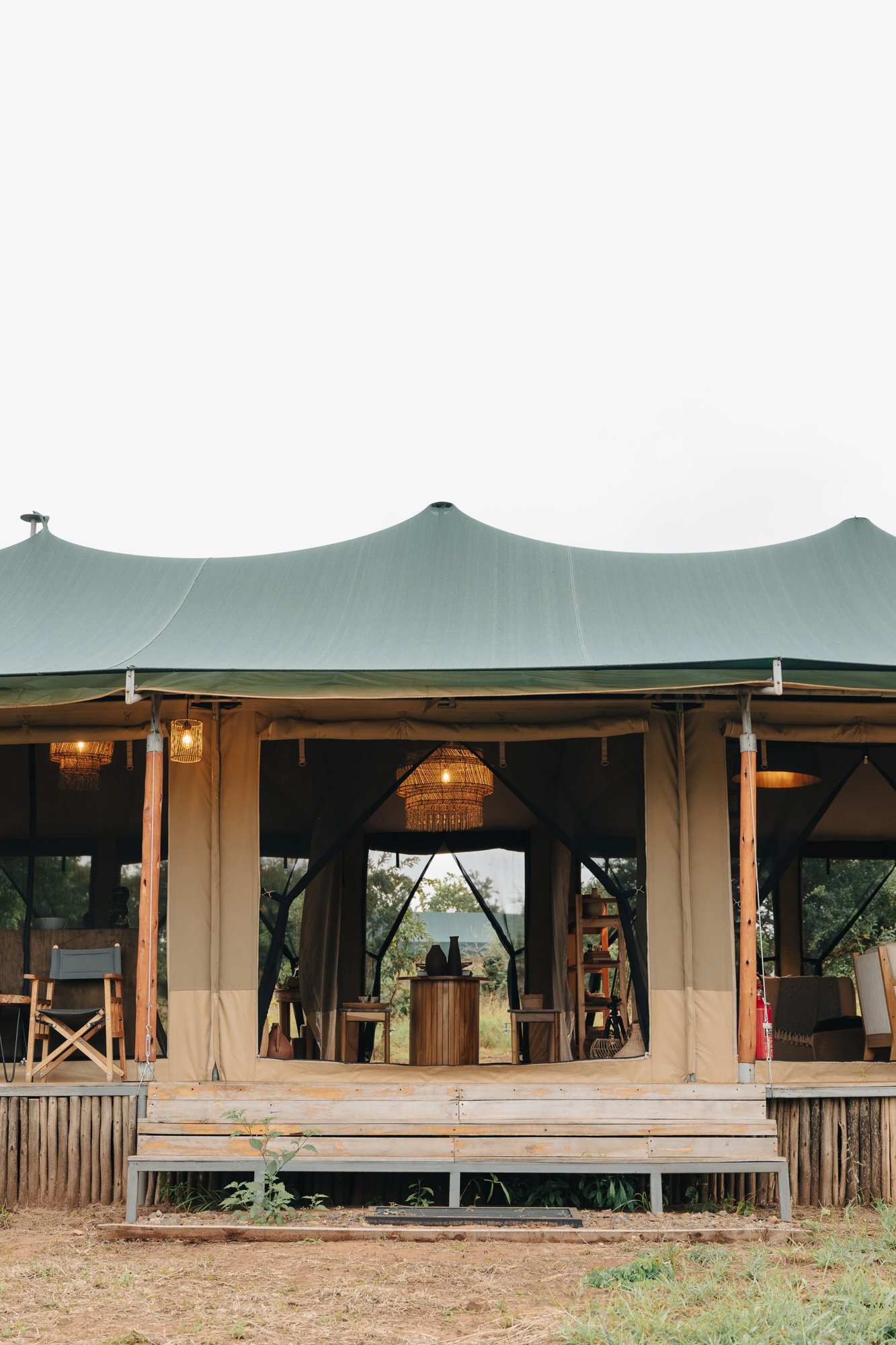
A small new camp on the edge of the Gurusi swamp, in the south western corner of Tarangire, where you can drive at night and walk in the morning
- Families
- Night Game Drives
- Walking Safari
Kuro Tarangire
A thatch and canvas bush camp on the Tarangire River in the south of the park, where elephant are often seen from the tents.
- Elephants
- Quiet Safari
- Families
Lolkisale Camp
A small camp among the baobabs on the eastern side of the Silale Swamp, deep inside Tarangire.
- Couples
- Elephants
- Remote
Maweninga Camp
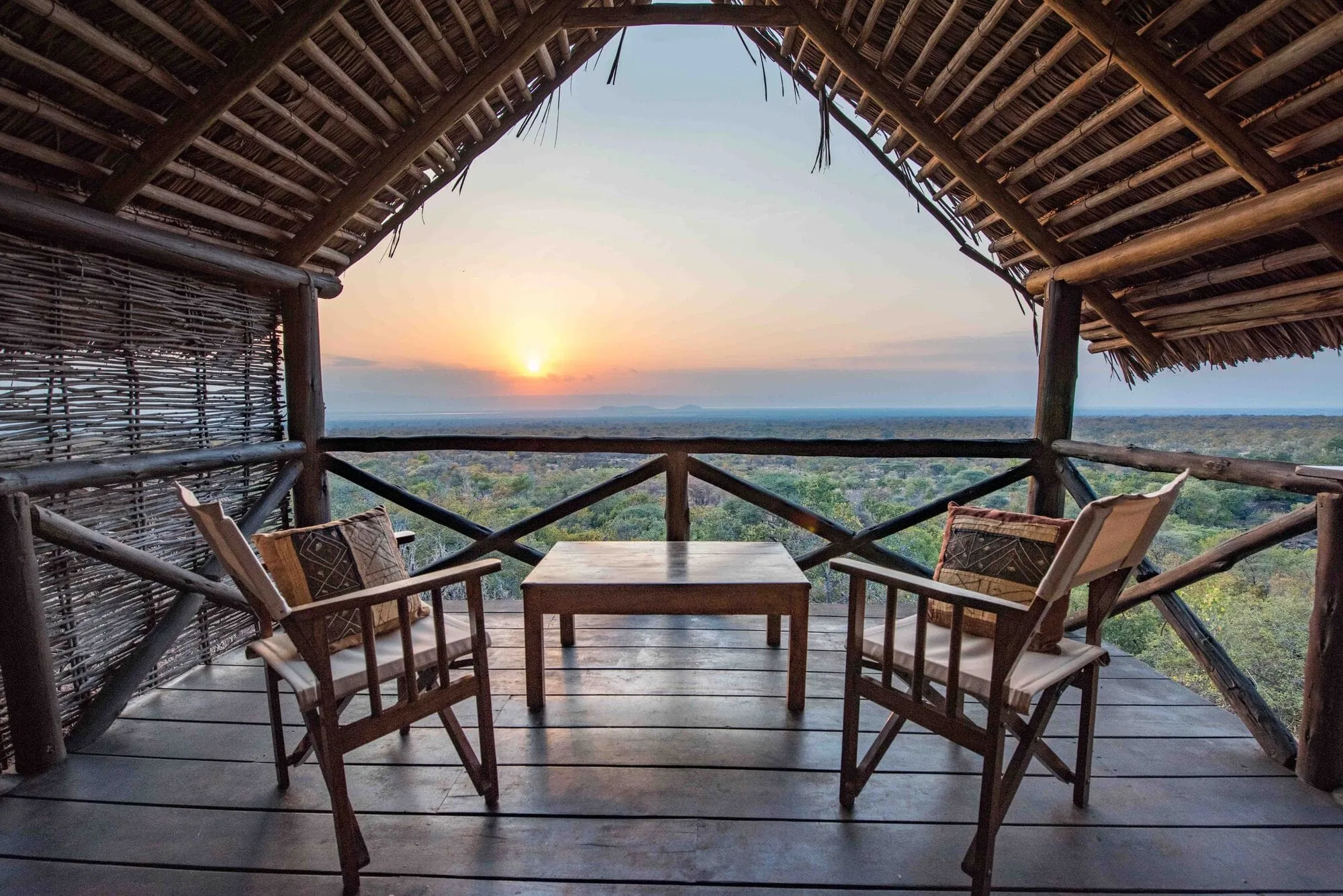
Sixteen tents set into a granite kopje in north west Tarangire, looking over baobab country towards two lakes.
- Walking Safaris
- Elephant
- Balloon Flights
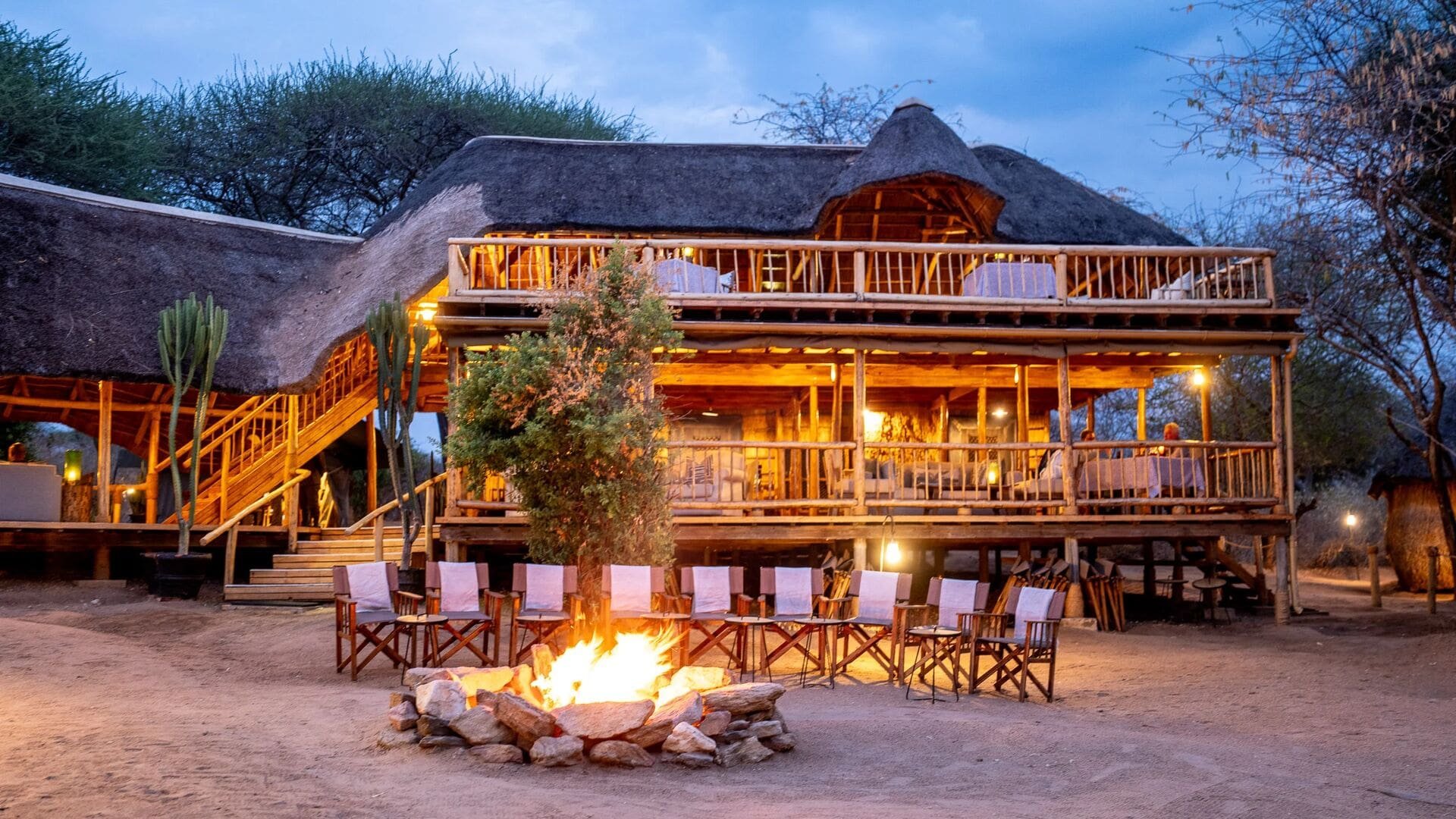
Oliver's Camp
Fifteen tents in the south of Tarangire, close to the Silale Swamp, with walking safaris, night drives and elephant often seen around camp.
- Walking Safari
- Night Drives
- Elephants
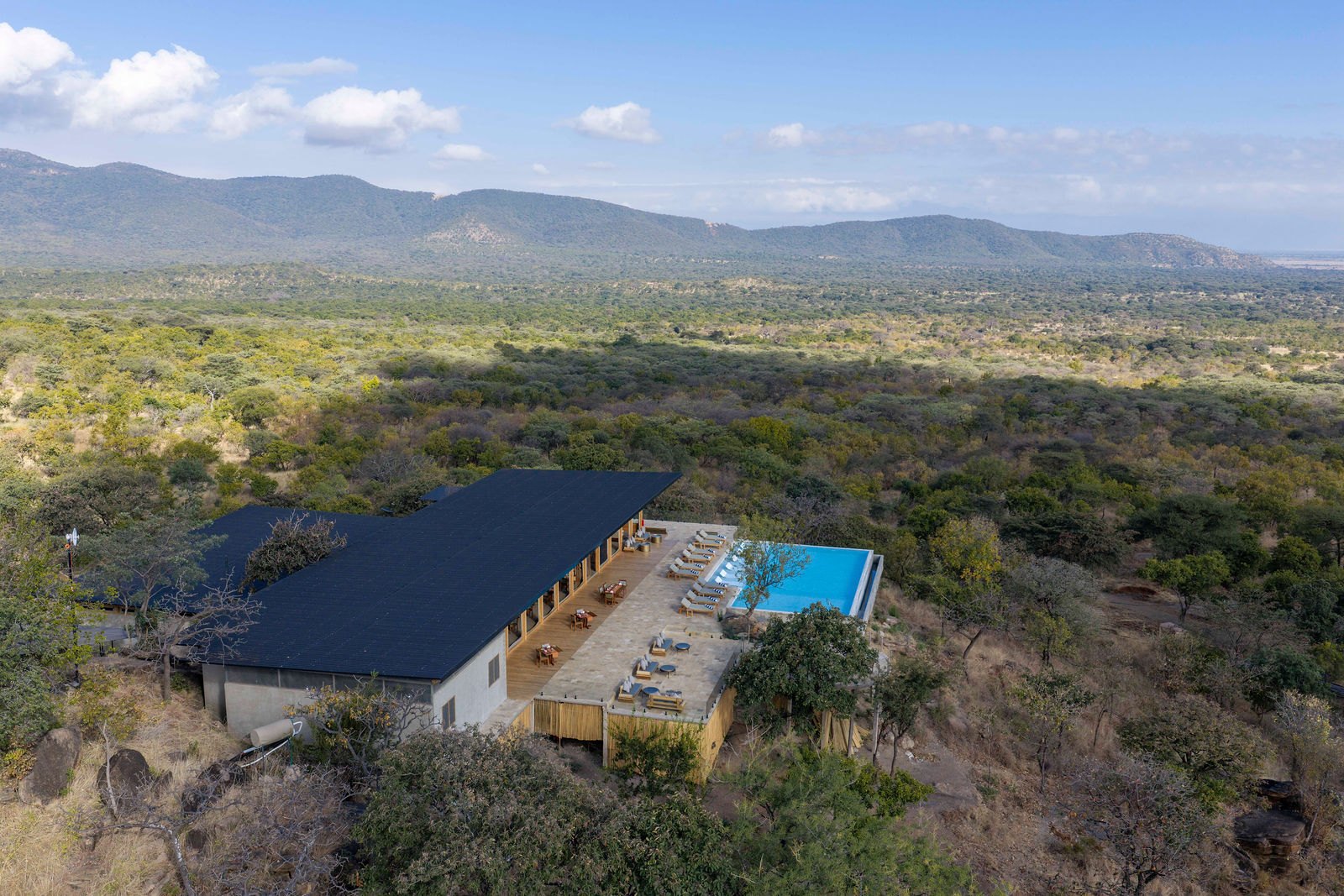
Olkambe Simba Lodge by Simba Portfolio
A hilltop lodge inside Tarangire with an infinity pool and views across Lake Manyara, Lake Burunge and the plains.
- Couples
- Honeymoon
- Families
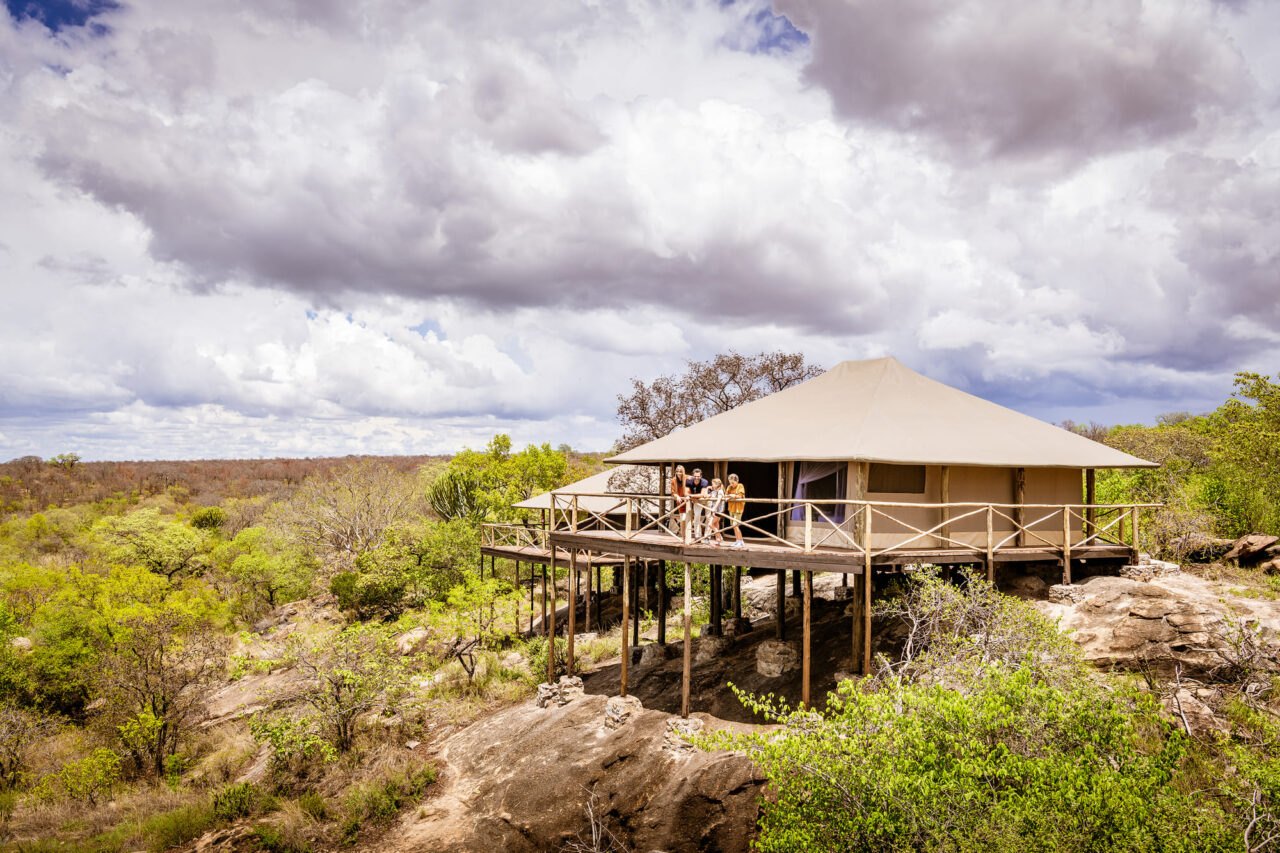
Ormatai Rock
Eight tents wedged into a granite cliff inside Tarangire, facing west over baobab country to the Rift wall.
- Elephant
- Baobab Country
- Walking Safaris
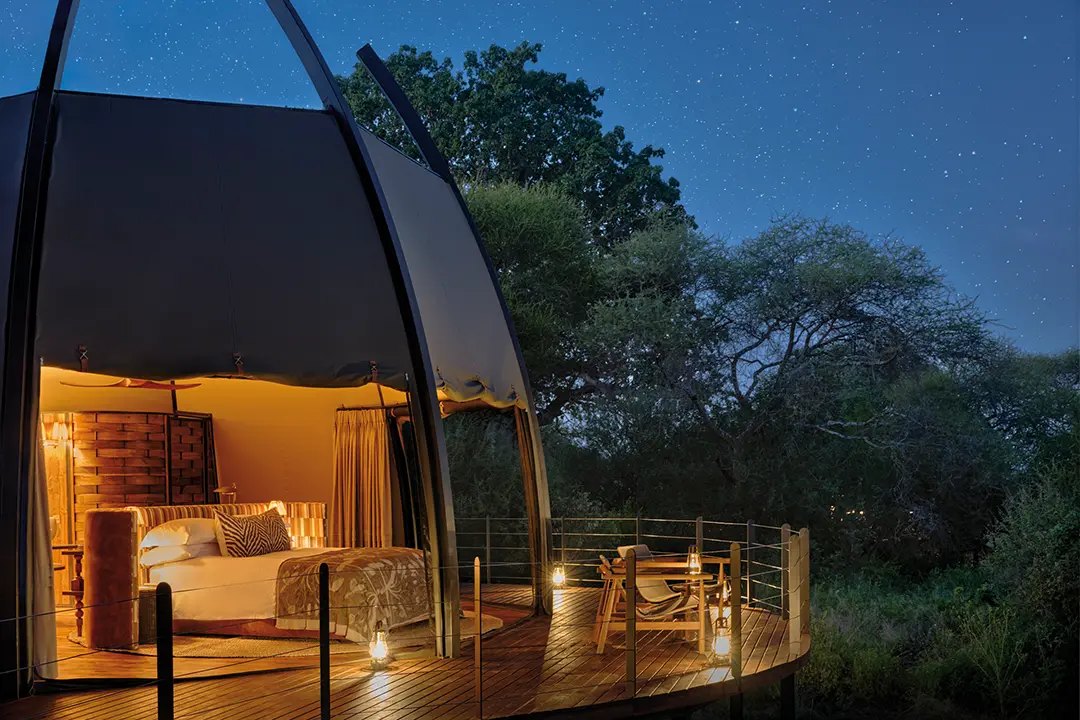
Siringit Tarangire Camp
Eight rounded canvas suites on platforms above the Tarangire floodplains, with a pool, a firepit and the swamps in view at sunset.
- Elephants
- Photography
- Honeymoon
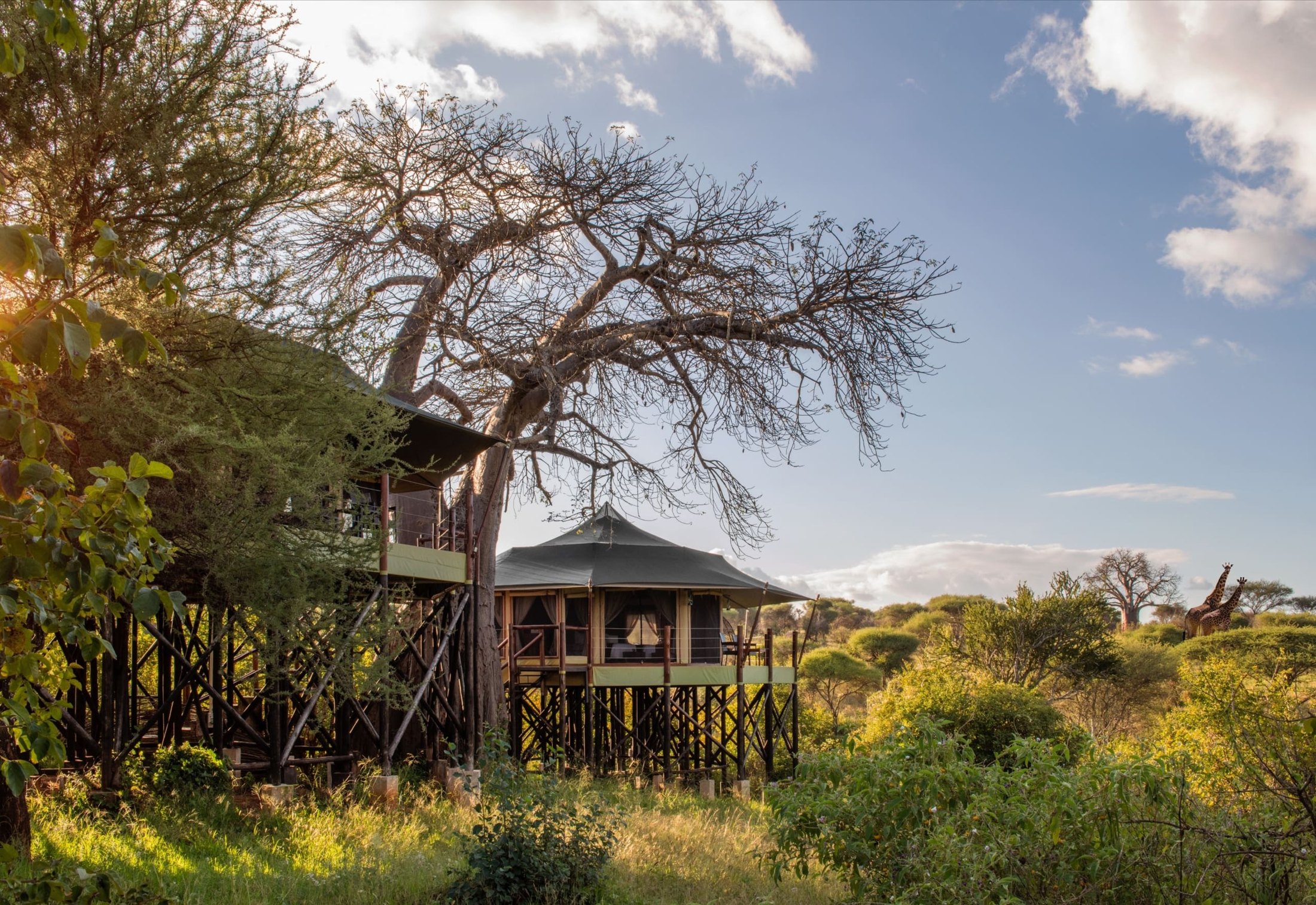
Tarangire Kuro Treetops Lodge
Rooms on stilts in the canopy at Kuro, in the part of Tarangire the elephants keep to themselves.
- Families
- Birding
- First Time Safari
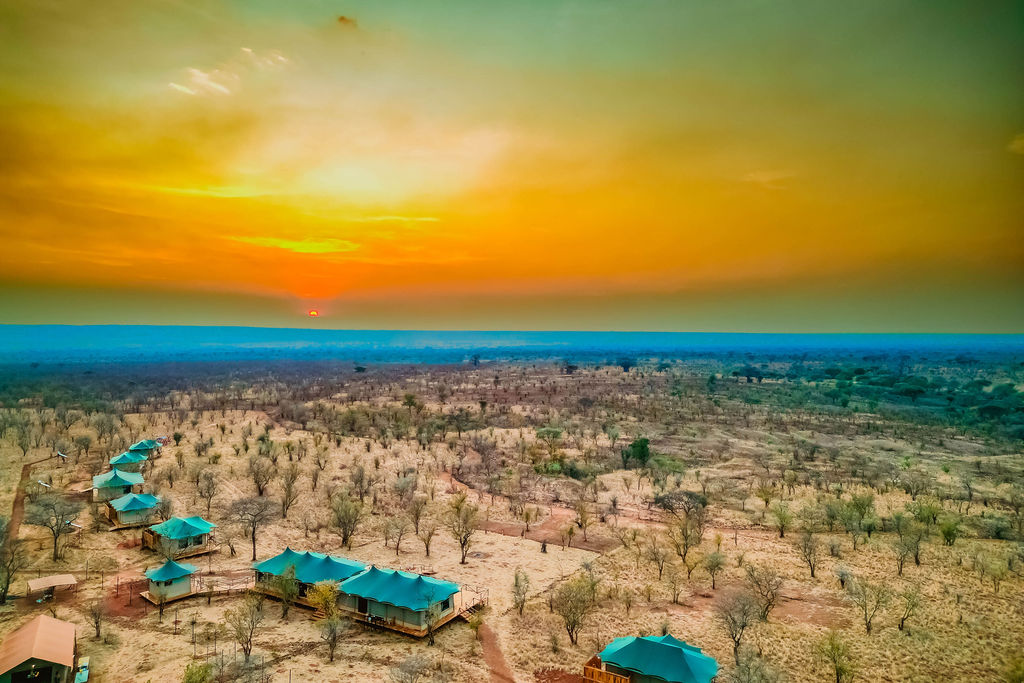
Tarangire Pure Tented Camp
A boardwalk of canvas tents inside Tarangire National Park, east of the river, open all year.
- Elephants
- Birding
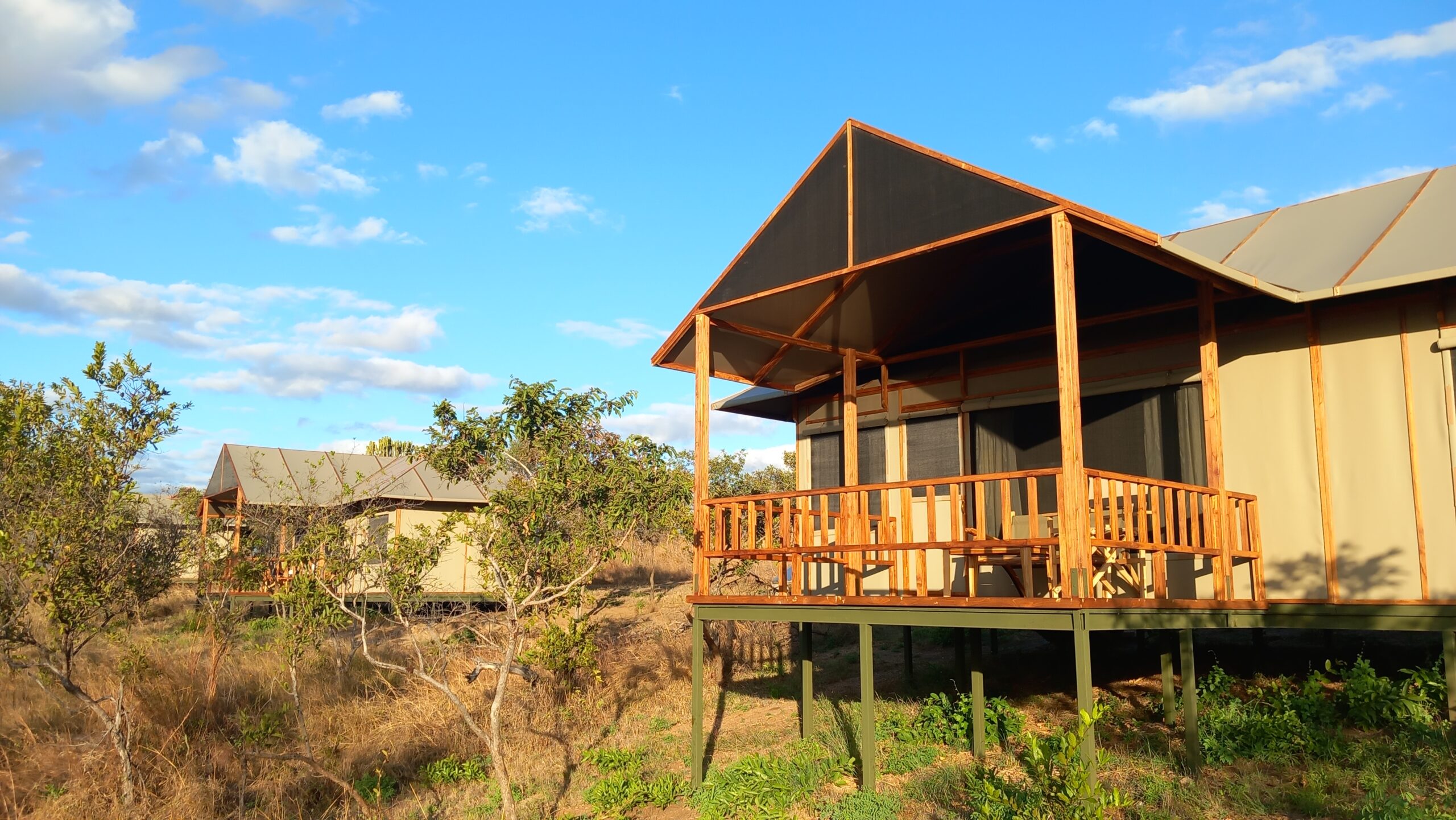
Tarangire View Tented Lodge
Twelve tents on rising ground inside Tarangire, unfenced, solar lit, and twenty minutes from the Kuro airstrip.
- Families
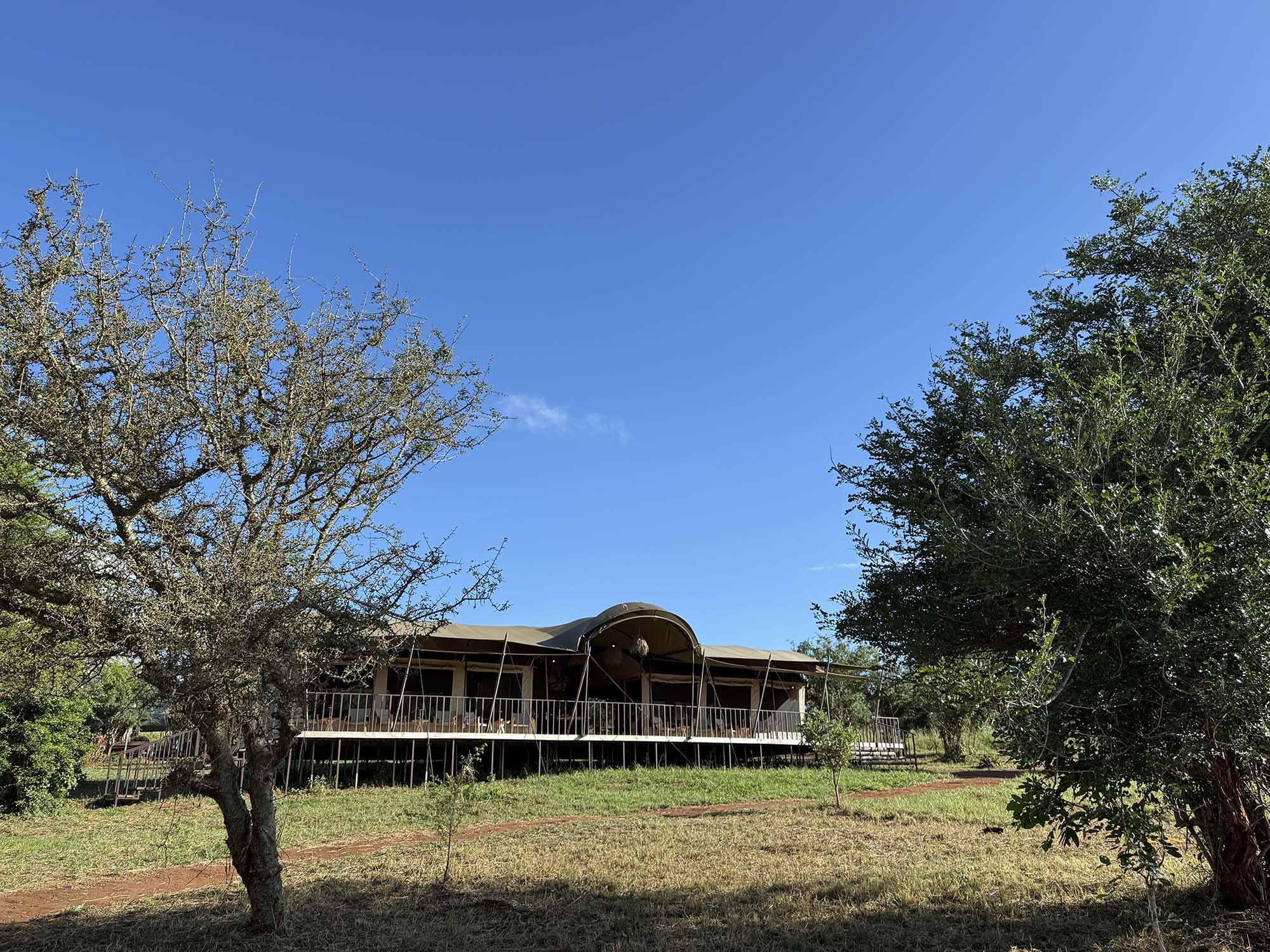
Whisper Tarangire
Six tents among the baobabs in the centre of Tarangire National Park
- Families
- Couples Wanting A Quiet Camp
- A Night Or Two Inside Tarangire
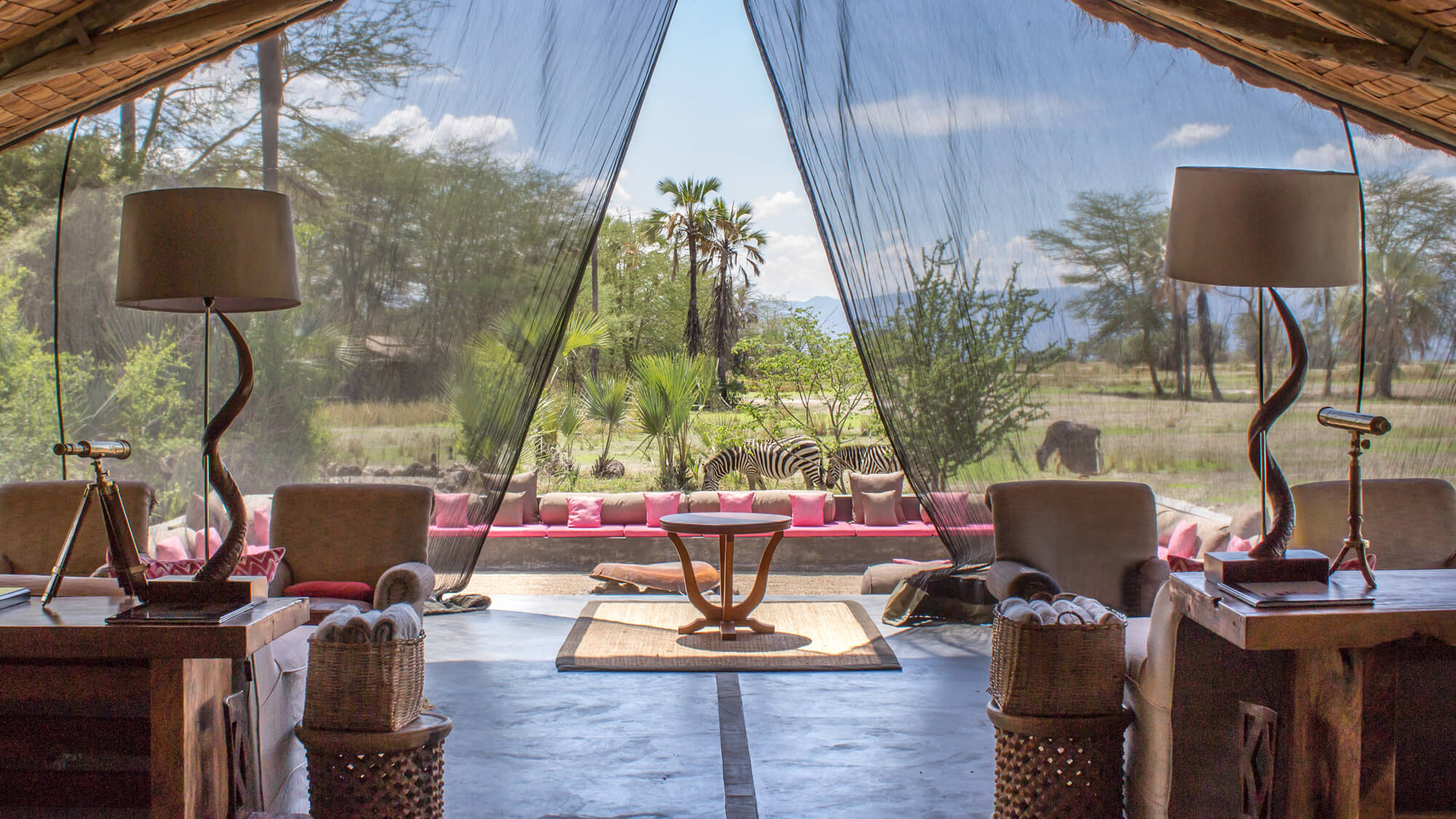
Chem Chem Lodge
Seven tented suites on the elephant corridor between Tarangire and Lake Manyara, with a private protected area to walk in.
- Family
- Walking Safari
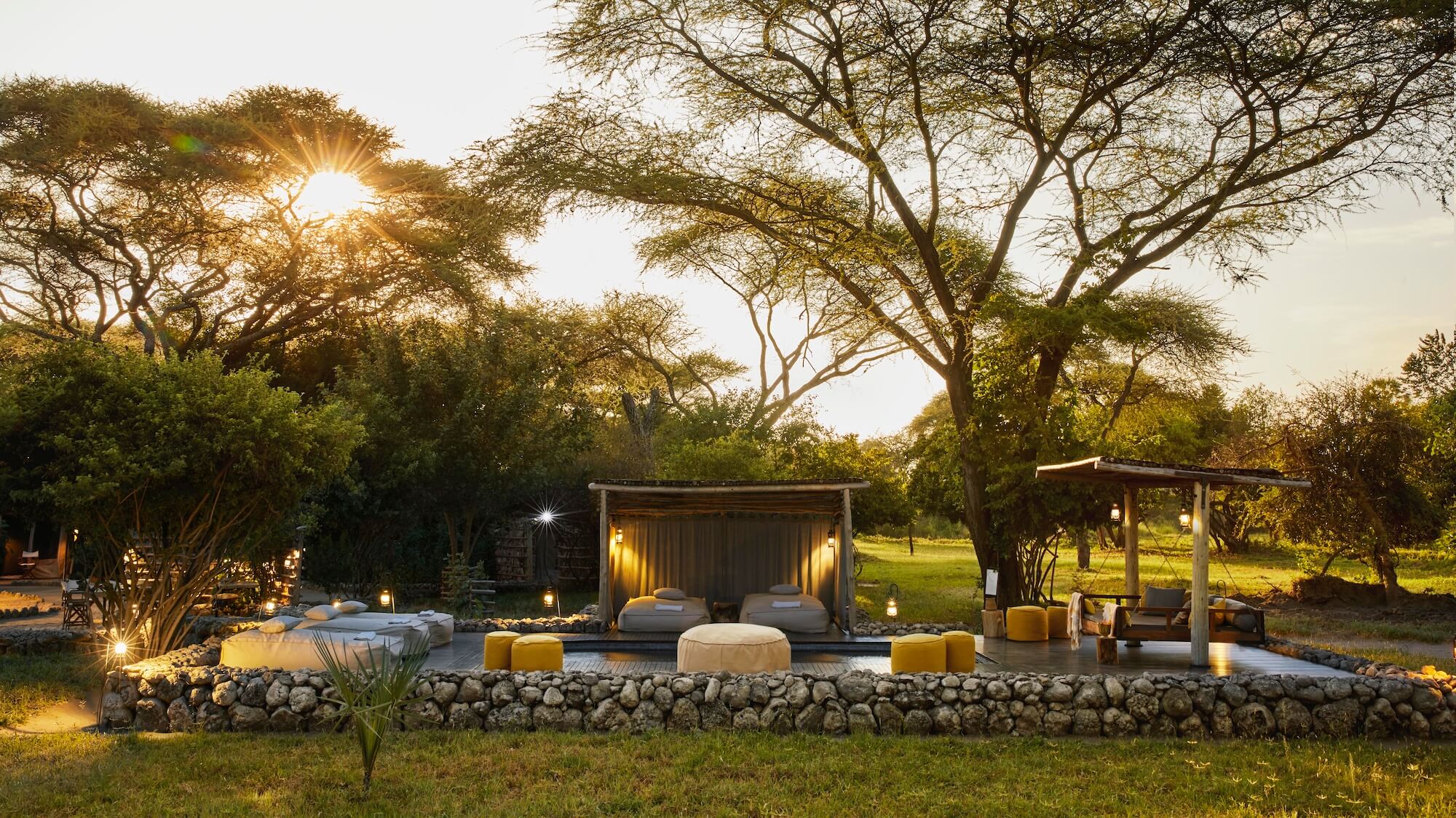
Forest Chem Chem
A whole camp of four tents taken privately, with night drives and children of any age welcome.
- Family
- Groups
- Exclusive Use
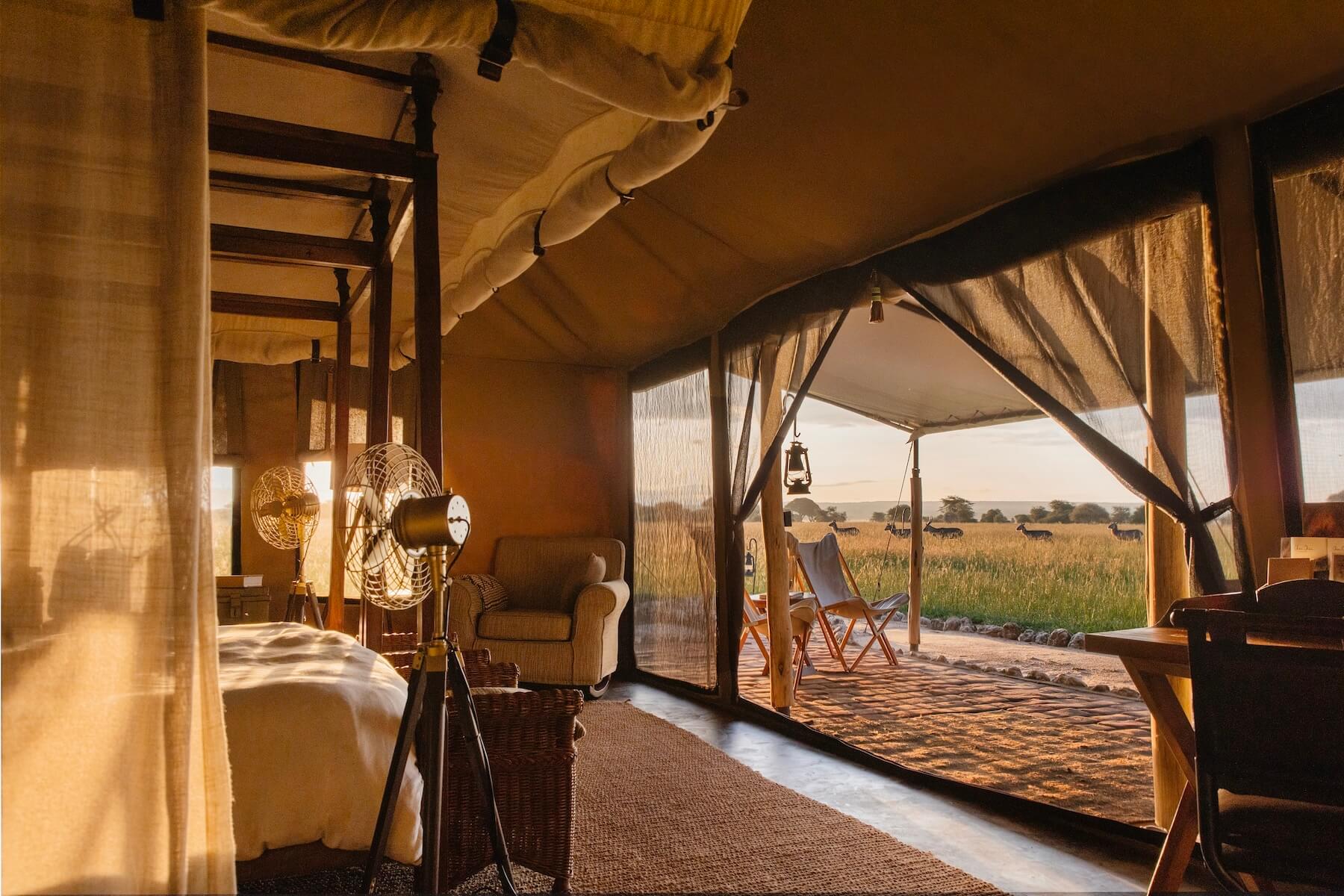
Little Chem Chem
Five vintage tents in the Burunge management area beside Tarangire, with night game drives and walks.
- Walking Safari
- Small Camps
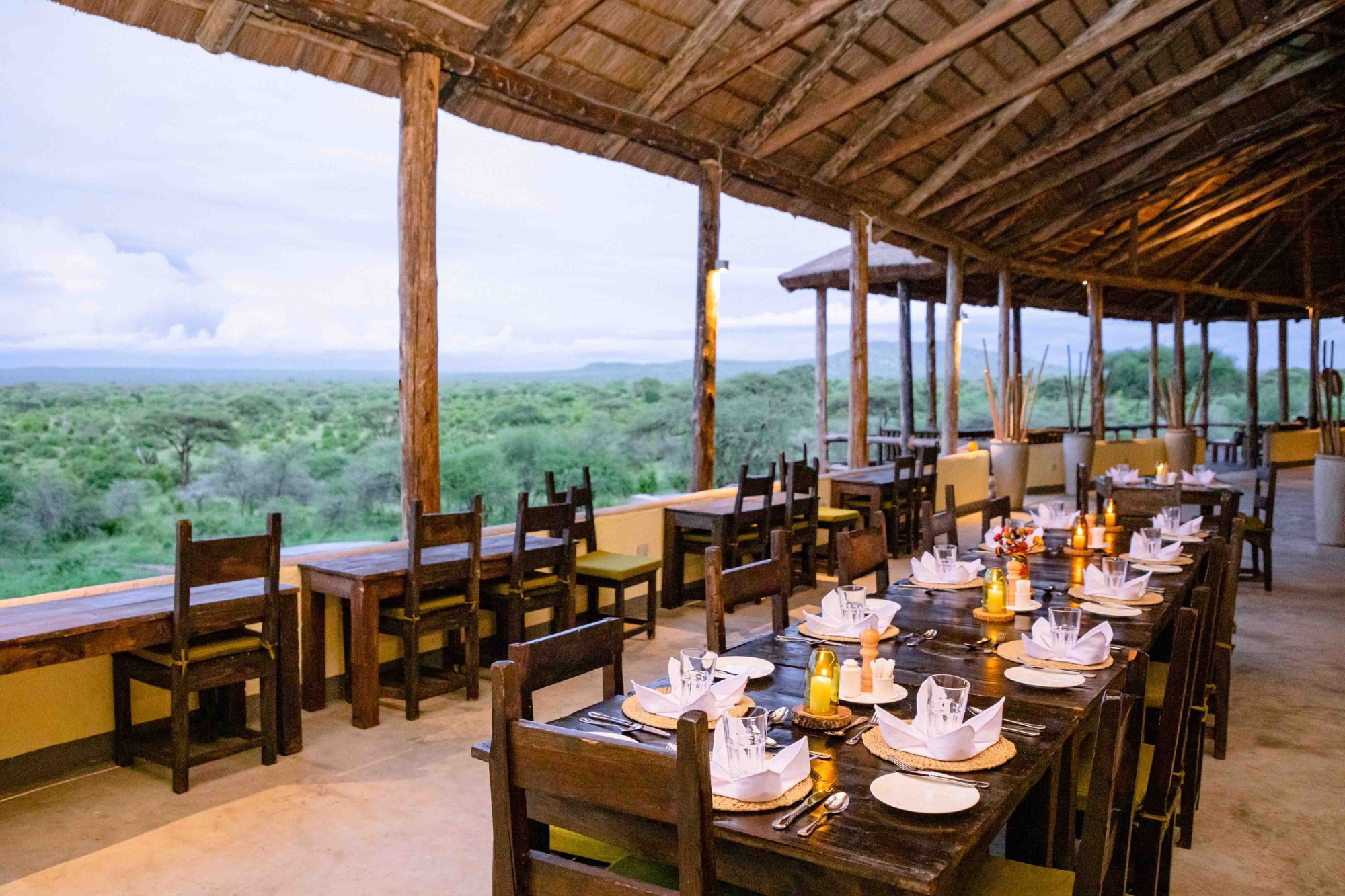
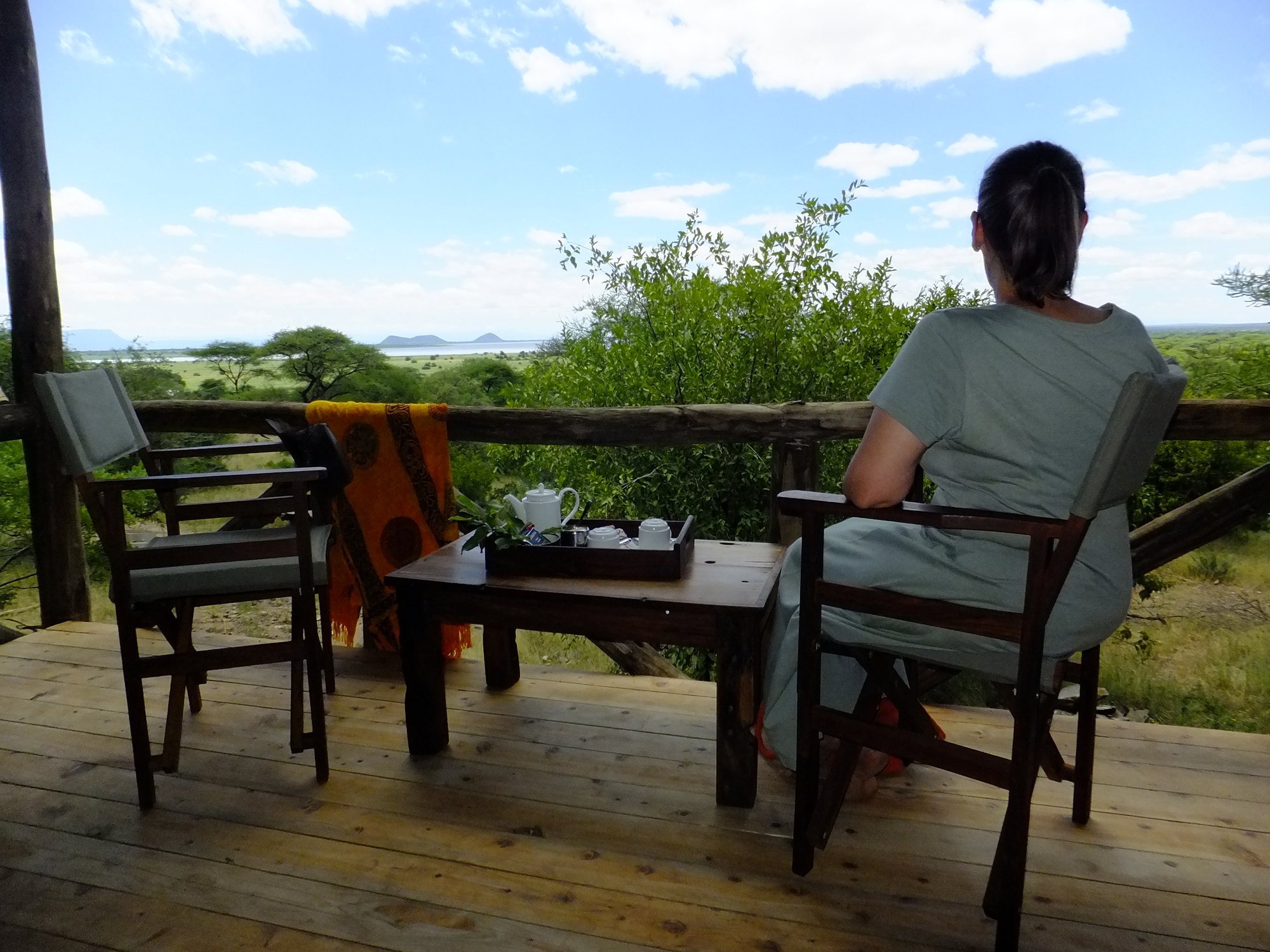
Sangaiwe Mbuyu Tented Lodge
Fifteen tents among the baobabs on thirty hectares of Sangaiwe Hill, less than a kilometre from the new western gate of Tarangire, looking out to the park and Lake Burunge.
- Tarangire Base
- Birding
- Views
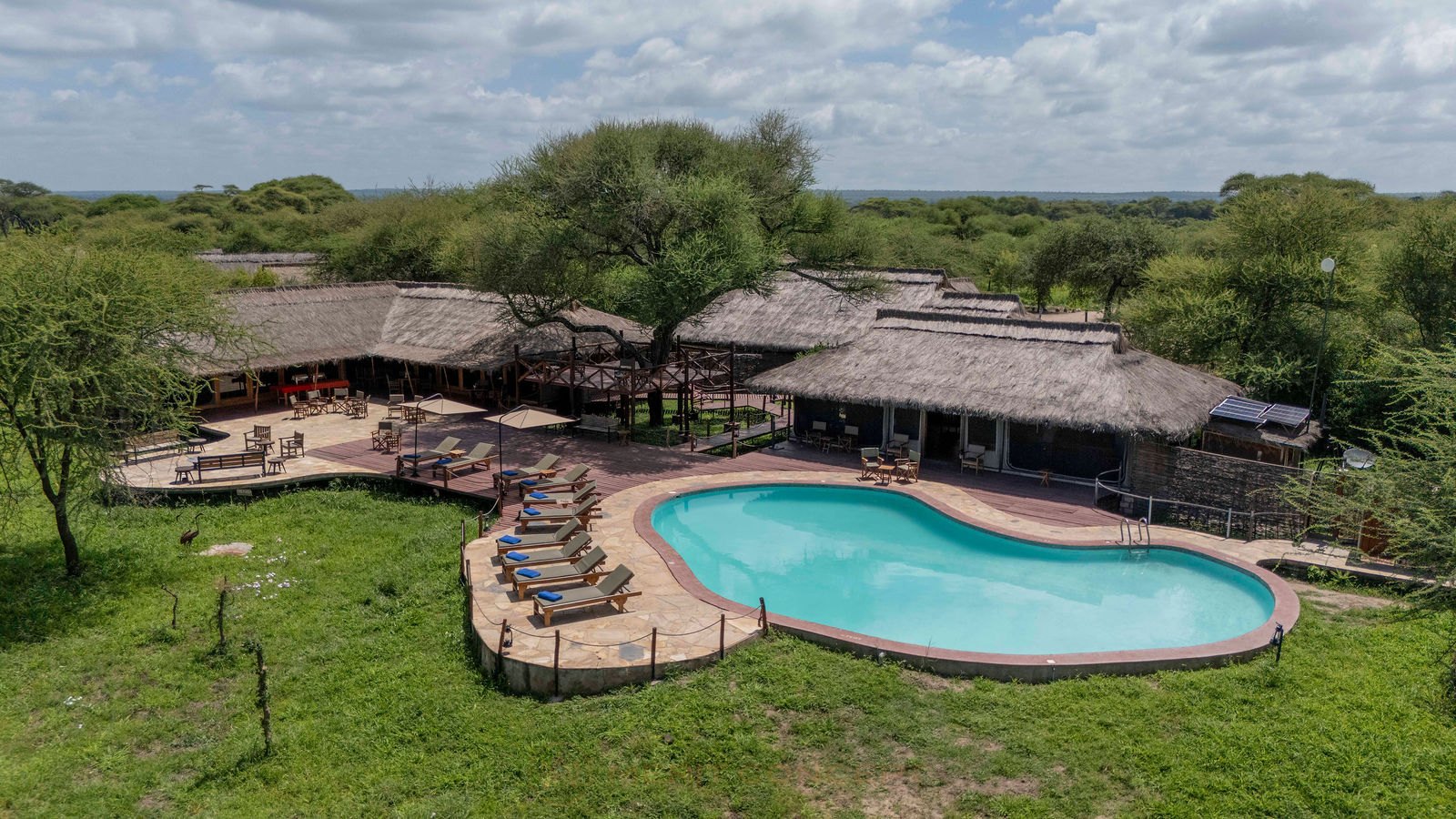
Sangaiwe Tented Lodge
Twenty tents on stilts up a wooded hillside on the western edge of Tarangire, with decks looking out over the park and Lake Burunge.
- Tarangire Base
- Birding
- Views
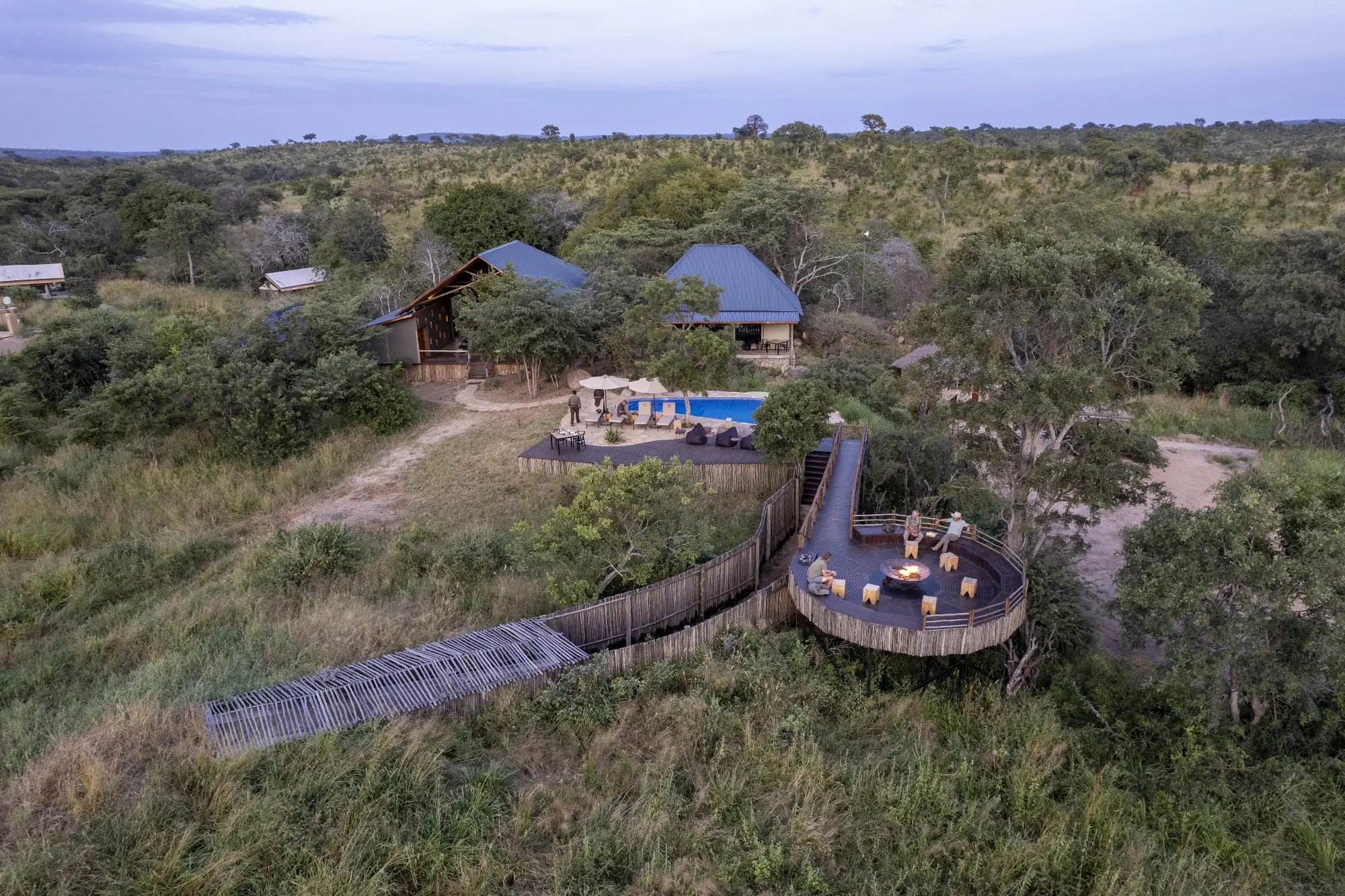
Tarangire Simba Tented Lodge by Simba Portfolio
A tented lodge just outside Tarangire, with a waterhole in front of the pool where guests often watch elephants
- Families
- First Time Safari
- Wildlife Photography
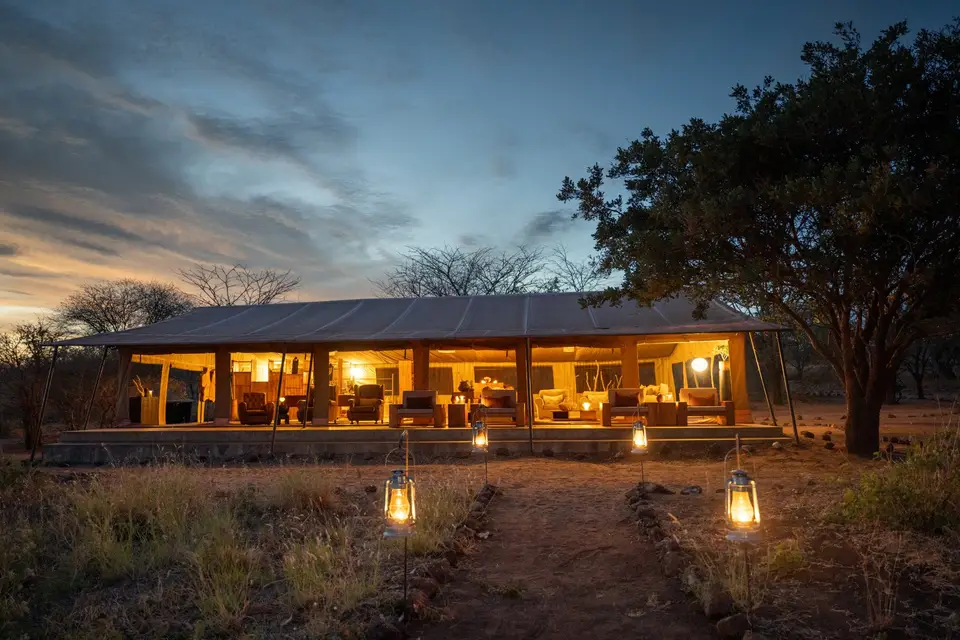
Nimali Tarangire
Eight tented suites on a private reserve bordering Tarangire elephant country, with an underground photographic hide looking out over a waterhole.
- Families
- Photographers
- Active Travellers
Randilen Plains Bush Camp
Eight canvas tents on the Randilen plains, with only canvas between you and the Tarangire night.
- Family
- Classic Tented Camp
- Small Groups
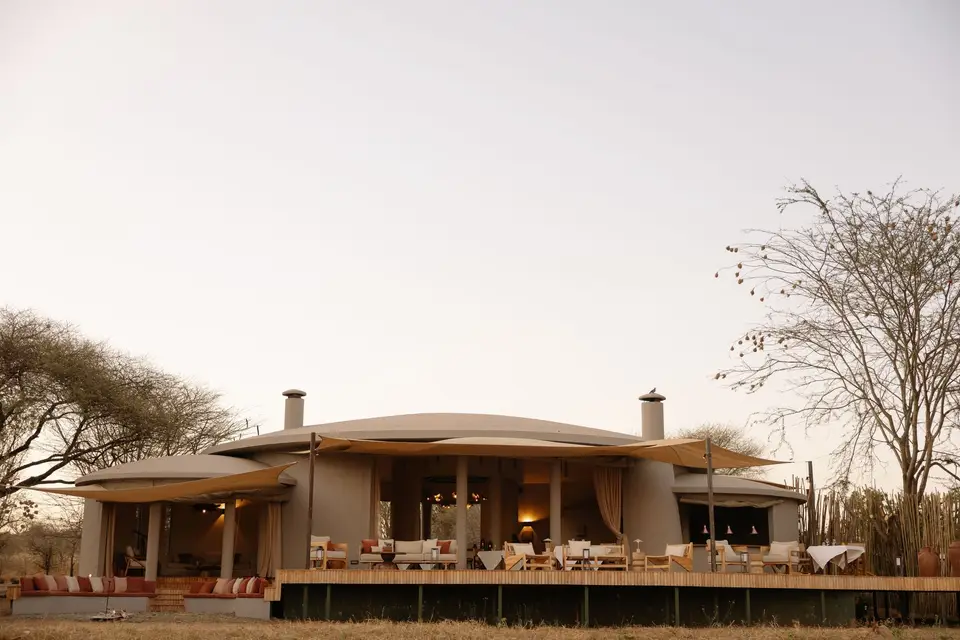
Randilen Plains Lodge
Six round bandas above a waterhole in the Randilen Wildlife Management Area, on the north eastern edge of Tarangire.
- Family
- Small Groups
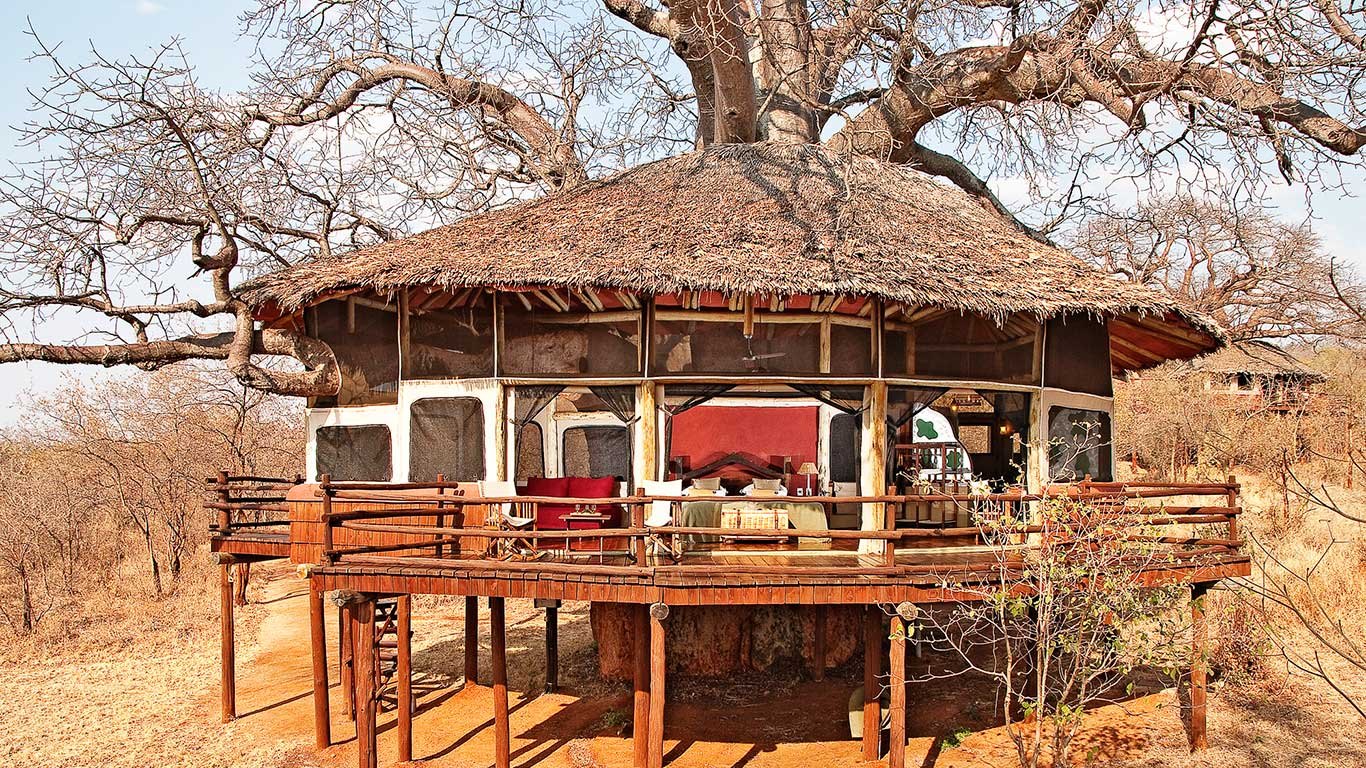
Tarangire Treetops by Elewana
Twenty stilted treehouses around a thousand year old baobab in Randilen WMA, with night drives, walking safaris and Tarangire National Park at the gate.
- First Time Safari
- Family
- Night Drive
What to do here
Experiences in Tarangire National Park.
The journeys we plan around this destination. Each one covers the best months, what it costs, and how to build it into a trip.
Big Five Safari
Lion, leopard, elephant, buffalo and black rhino across Ngorongoro, the Serengeti and Tarangire, with honest odds for each.
Explore : Big Five SafariFamily Adventure
A safari paced for children: shorter drives, family tents, guides who love questions, and a Zanzibar beach to finish.
Explore : Family AdventurePhotography Safari
A safari built around light and position: unhurried time in fewer places, a private vehicle as standard, and seasons chosen for the pictures you want.
Explore : Photography SafariHot Air Balloon Safari
An hour drifting over the Serengeti or Tarangire at sunrise, then a full breakfast, priced as its own line before you book.
Explore : Hot Air Balloon SafariWalking Safari
Guided walks with an armed ranger in the central Serengeti and the wildlife areas around Tarangire: slower and closer than any drive, and priced before you book.
Explore : Walking SafariNight Game Drive
A spotlit drive after dark from lodges in the wildlife areas around Tarangire and the western Serengeti, for the animals the daytime never shows you.
Explore : Night Game DriveMaasai Cultural Experience
Time with Maasai communities in the Ngorongoro highlands and around Tarangire, with Olduvai Gorge close by and the honest context of the area today.
Explore : Maasai Cultural ExperiencePrivate Bush Dining
Breakfast on the plains after a dawn drive, a cooked lunch in the shade or a private dinner by lantern light, each an optional extra priced before you book.
Explore : Private Bush Dining
Common questions
Questions, answered.
When is the best time to visit Tarangire?
June to October, when the country around the park dries out and wildlife gathers along the Tarangire River, with elephant herds typically at their largest from August to October. November to May is green, quiet and good for birds, though the animals are more spread out.
How many days do you need in Tarangire?
Two nights gives you one full day in the park and an unhurried arrival. One night works on a shorter route. Camps deep in the south of the park suit a longer stay, since the drive in takes time.
What is Tarangire known for?
Elephants and baobabs. In the dry season large elephant herds gather along the Tarangire River, and the park adds wide southern swamps, more than five hundred recorded bird species and the chance of dry country antelope such as fringe eared oryx and gerenuk.
Can you do walking safaris and night drives at Tarangire?
Yes, on the park's edges. Inside the national park, game drives run by day only. Elephant Springs by Karibu Camps runs night drives in the conservancy next to the park, priced before you book. In Randilen, on the eastern edge, guided walks and night drives are optional extras, and in Burunge, to the west, the Chem Chem camps include walks and evening drives with their own guide and vehicle.
What are the park fees for Tarangire?
Tarangire charges a daily entry fee per person, a daily vehicle fee and, for nights inside the park, a concession fee per person per night, with lower rates for children aged five to fifteen. The current figures are in the fees table on this page, and each fee has its own line in your trip price.
How far is Tarangire from Arusha?
About two hours by road, which makes it a natural first stop on a northern safari. Lake Manyara and the Ngorongoro highlands are the usual next stops.
Make it part of your trip
Plan a safari that includes Tarangire National Park.
Build your route and see every cost itemised.
Build & price your trip