Tented Suite
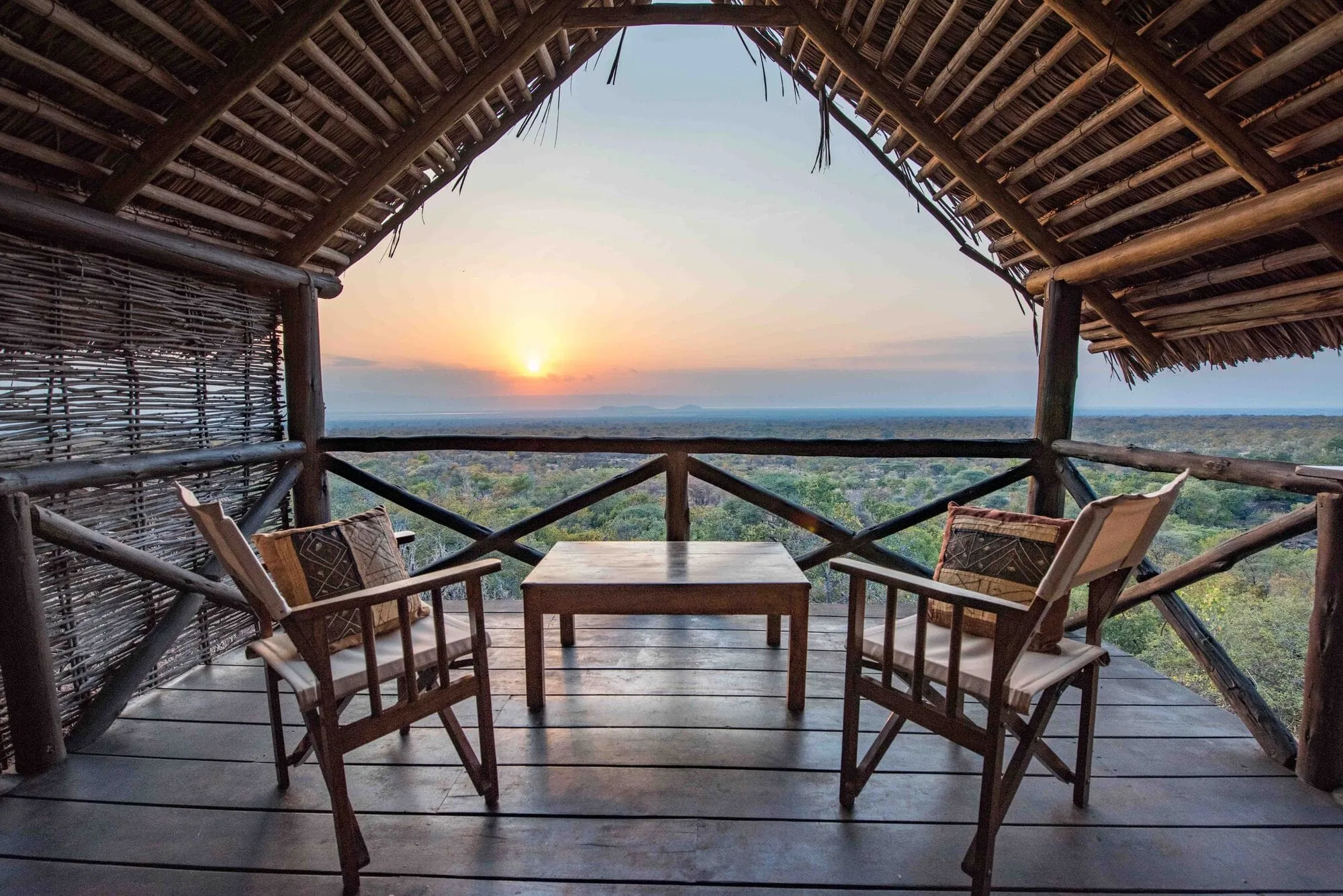
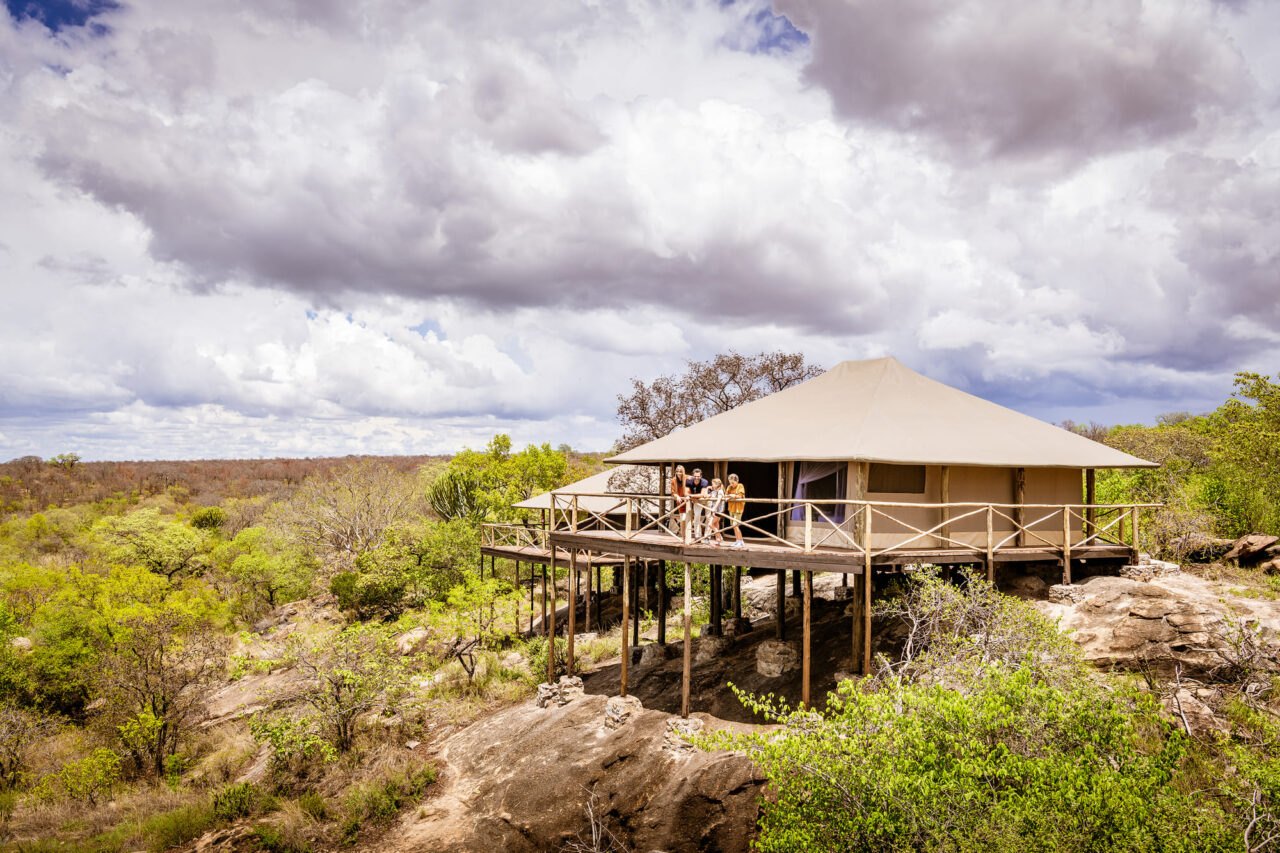
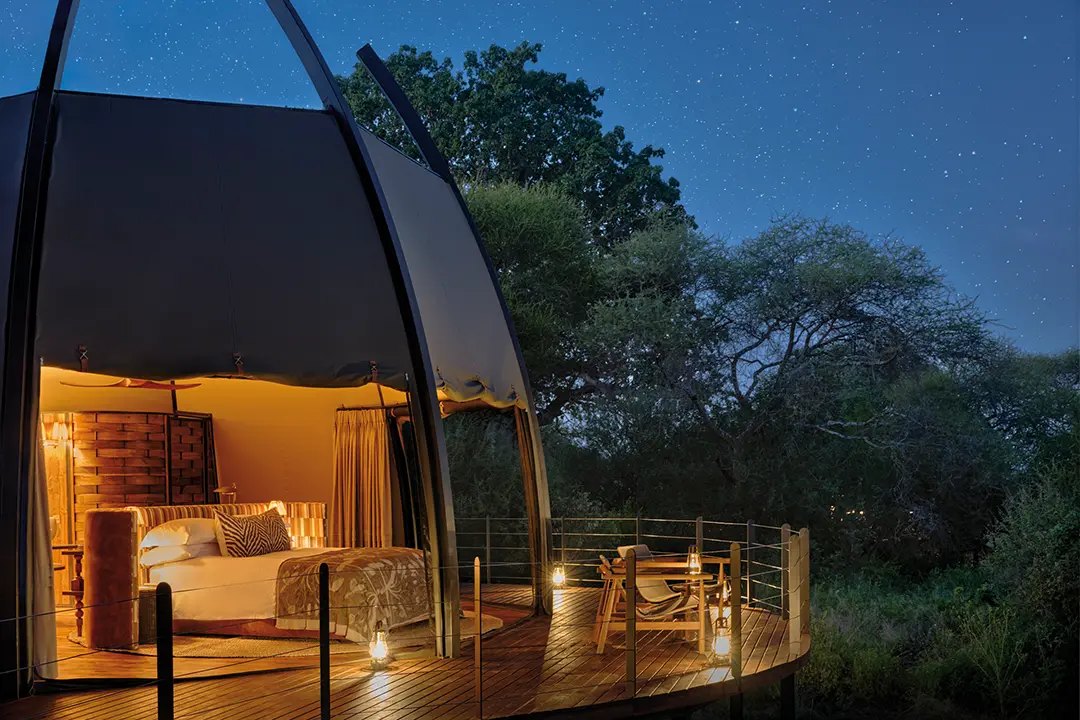
A suite of about forty square metres under canvas, with timber clad walls, mesh windows onto the bush, a verandah of about twelve square metres and an en suite bathroom with a plumbed hot shower. The camp has six of them.
Lodges & partnersTarangire National Park
Six new tents on the edge of the Gurusi swamp, in the quiet south western corner of Tarangire, where you can still drive at night and walk in the morning.
About
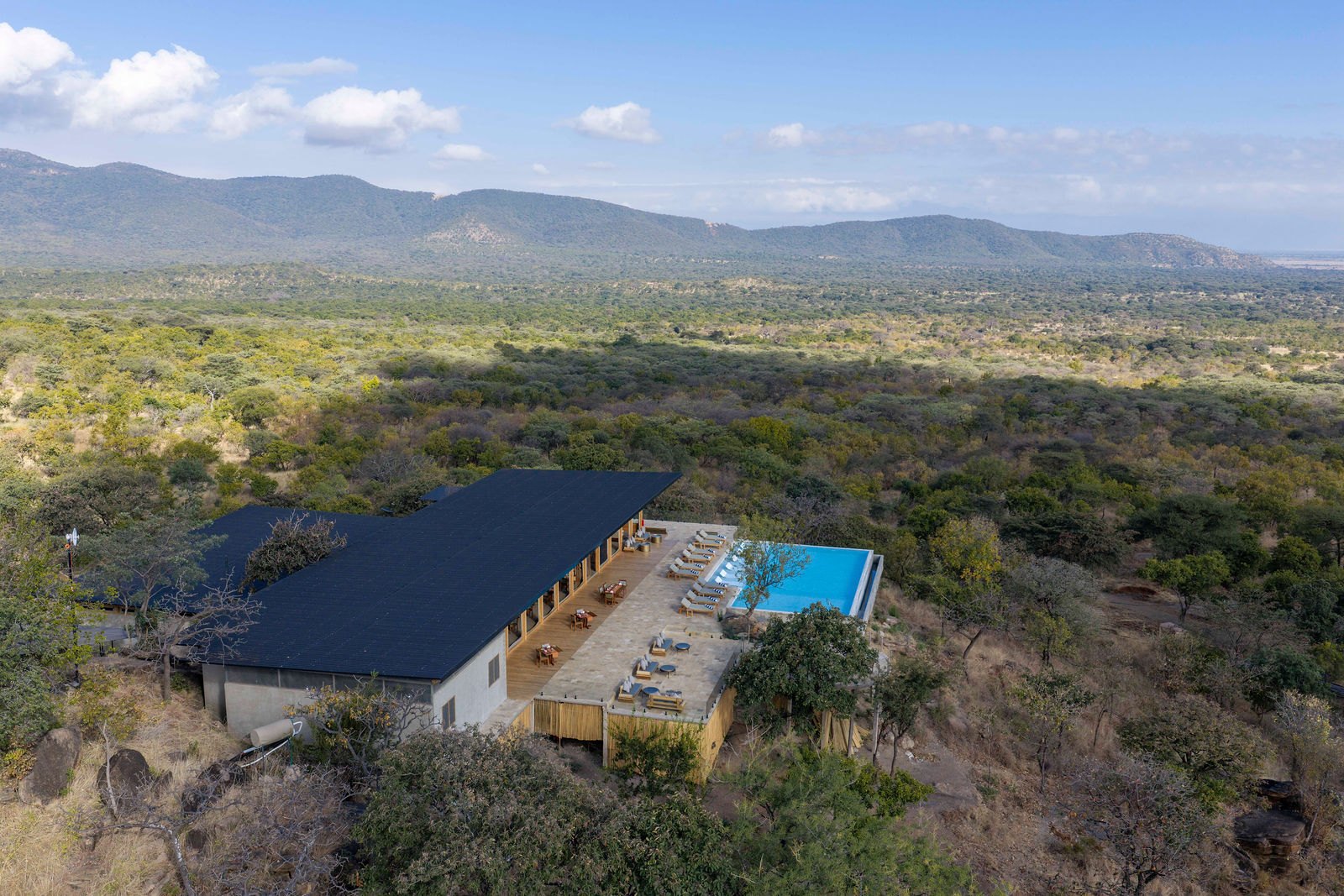
Hilala sits on the eastern edge of the Gurusi swamp, in the south western corner of Tarangire, a long way from the gate most people come through. The camp opened in November 2025 and it is still small, six tented suites set along a line of bush with the main tent in the middle. From the deck the ground falls away through grass and scattered trees to the open water, and in the dry months there is almost always something on it. Elephants come down in family groups and stay for hours.
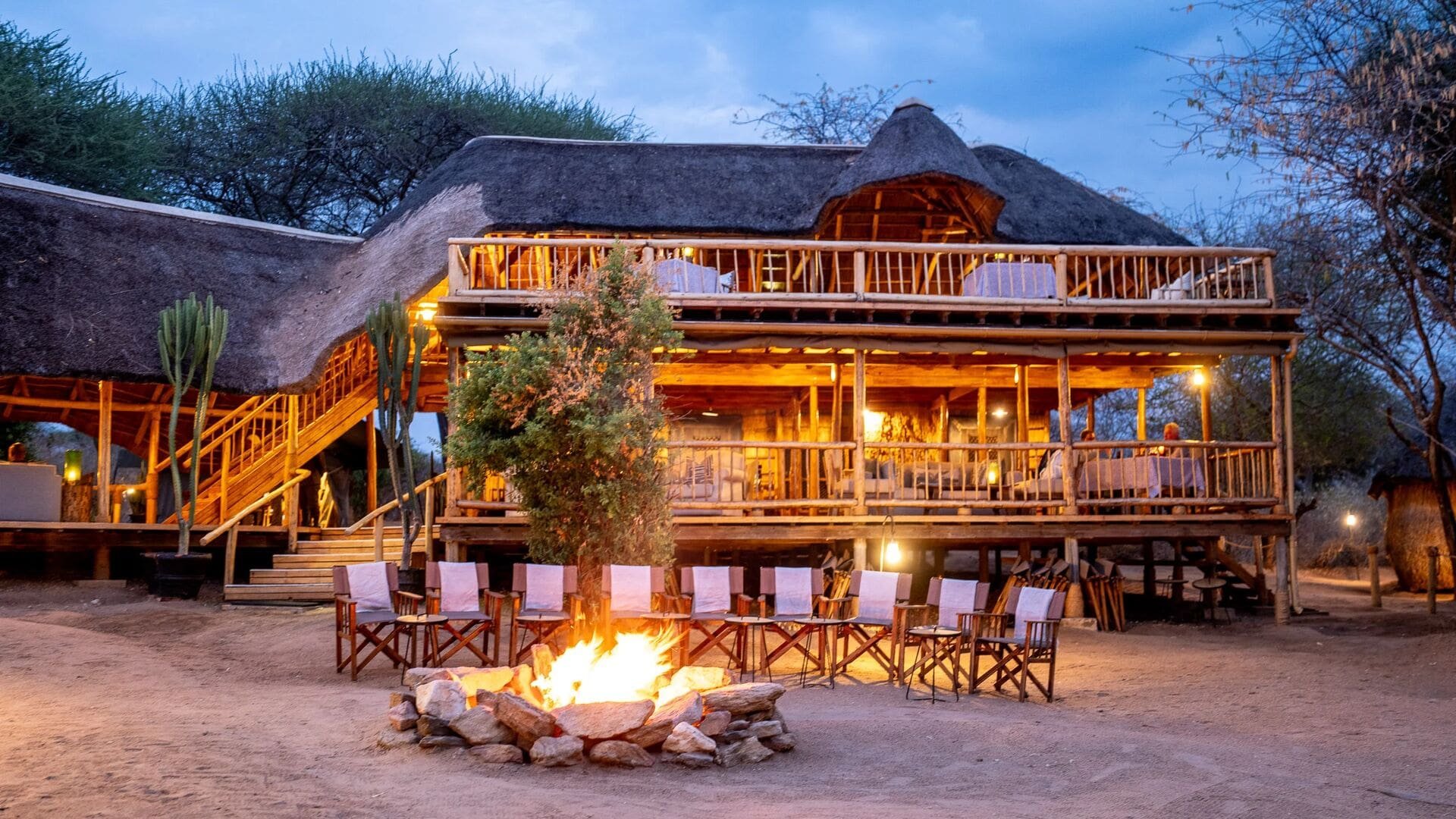
The suites are about forty square metres with a verandah of another twelve, and they are more solid than the word tent suggests. Timber clad walls inside, canvas over the top, mesh windows on the bush side, a bed made up as a king or as twins, and a bathroom at the back with a shower that is properly plumbed and properly hot. The main tent holds a lounge at one end and the dining room at the other, with a fire pit on the ground behind it where everyone ends up after dinner. Meals are full board and the kitchen has had a good run of guests saying so.
What the camp can do that a Serengeti camp cannot is drive at night and walk in the morning. Tarangire allows both with the right permit, so the day does not have to end when the light goes. A guided walk of about two hours goes down towards the swamp with an armed ranger, which is a different pace entirely, and the night drive turns up the animals that the park hides from a midday vehicle. The same owners run Nyumbani Serengeti Camp in the north, and a trip that takes in both gives you the quiet, close, on foot side of Tanzania and then the open plains.
Signature experiences
Tarangire is one of the few parks where a lodge with the right permit can drive after dark. The spotlight picks up genet, civet, bushbaby and sometimes a leopard on the move, and it is a different park from the one you saw at four in the afternoon.
Two hours on foot in the morning, down towards the water where the elephant paths run. Minimum age sixteen, minimum two guests, and the weather has to be with you.
Through the dry months the swamp is the water that holds southern Tarangire together, and the elephant herds that come down to it are the reason most guests stay a second night.
The main gate is a long way north of here. Guests regularly report drives without seeing another vehicle, which in a park this well known is the thing they remember.
Gallery
Room types
A suite of about forty square metres under canvas, with timber clad walls, mesh windows onto the bush, a verandah of about twelve square metres and an en suite bathroom with a plumbed hot shower. The camp has six of them.
Two suites joined so that a family has its own pair of rooms. The camp lists one on its website and the contract says more tents and a family suite are being added. It is not on sale here because the contract prints no rate for it, and we do not show a price the supplier has not published.
At a glance
Best time to visit
Best months: January to February and June to October.
Location & access
Tarangire National Park
About 2 hours in total. Roughly 45 minutes by road from Kilimanjaro International Airport to Arusha Airport, then about 20 to 45 minutes in a light aircraft to Kuro airstrip inside the park, and about 25 minutes by road to camp. Bush flights carry a soft bag limit of around 15 kg. The camp charges the airstrip transfer separately and it is not in the nightly rate.
About 4 to 5 hours in total from Kilimanjaro International Airport. Roughly 1 hour to Arusha, about 2 hours south west to the Tarangire area, then a long drive in through the park to the south western corner. The Mamire gate on the southern side, reported open since April 2026, is the shorter way in and sits about 7 km from camp.
On the map
4.068° S, 36.007° E
What's included
Frequently asked
In the south western corner of Tarangire National Park, on the eastern edge of the Gurusi swamp. The Mamire gate on the southern side is reported to be about 7 km away and the main northern gate is a couple of hours off.
Most guests fly into Kuro airstrip inside the park and drive about twenty five minutes to camp, which is roughly two hours in total from Kilimanjaro International Airport. Driving the whole way takes about four to five hours.
June to October is the dry season, when the swamp is the only water left for miles and the elephant herds come down to it. January and February are high season here too, green underfoot after the short rains and quieter than the middle of the year. March to the end of May and November to mid December are the green season, when the grass is high, the birding is at its best and the camp is at its emptiest.
Accommodation on a full board basis, meaning breakfast, lunch and dinner, with government taxes and VAT. Park fees, the 24 hour special camping fee and the tourism levy are added to your trip price rather than paid at the camp.
Yes. Tarangire allows night drives with the right permit, which this camp holds, so you can be out after dark with a spotlight looking for the animals the daytime park keeps hidden. It is added to your trip in the builder.
Yes, a guided walk of about two hours with an armed ranger, usually in the morning and weather permitting. The minimum age is sixteen and two guests are needed.
Children of five and over are welcome and the camp publishes its own child rate for each season. They must share a tent with one or two adults. Children under five are only taken under special arrangements the camp makes itself, so we do not price them here.
Six tented suites under the 2026 contract. The camp says more tents and a family suite are being added, and its own website already shows a family suite, so the count may rise during the year.
There is wifi in camp and charging in the tents. Mobile coverage in this corner of the park is patchy, which most guests end up liking.
In the green months the grass is high, the swamp is full and the birding is at its best. Game is more spread out because water is everywhere, and the camp is at its quietest.
Yes. Tanzania has required inbound travel insurance at 44 USD per adult since 1 October 2026, and it is listed in your trip price. Your own comprehensive medical and travel cover is a condition of the camp contract.
What's nearby
On the doorstep
A perennial wetland in the south west of the park that holds water when the rest of Tarangire dries out, which is why the elephant herds and the birding are what they are here.
North east, a morning drive
The larger of Tarangire swamps, with hippo, buffalo and lion that follow them, and the palm stands that make the southern park look like nowhere else.
North, a full day
The spine of the park, lined with ancient baobabs and busy in the dry season when the river is the only water for miles.
From camp, after dinner
Added to your trip in the builder. Tarangire is one of the few parks where it is permitted, and the camp holds the permit to run it.
Nearby
The Tarangire National Park guide: where to stay, when to go and how to get there.
View : Every lodge we work with in Tarangire National Park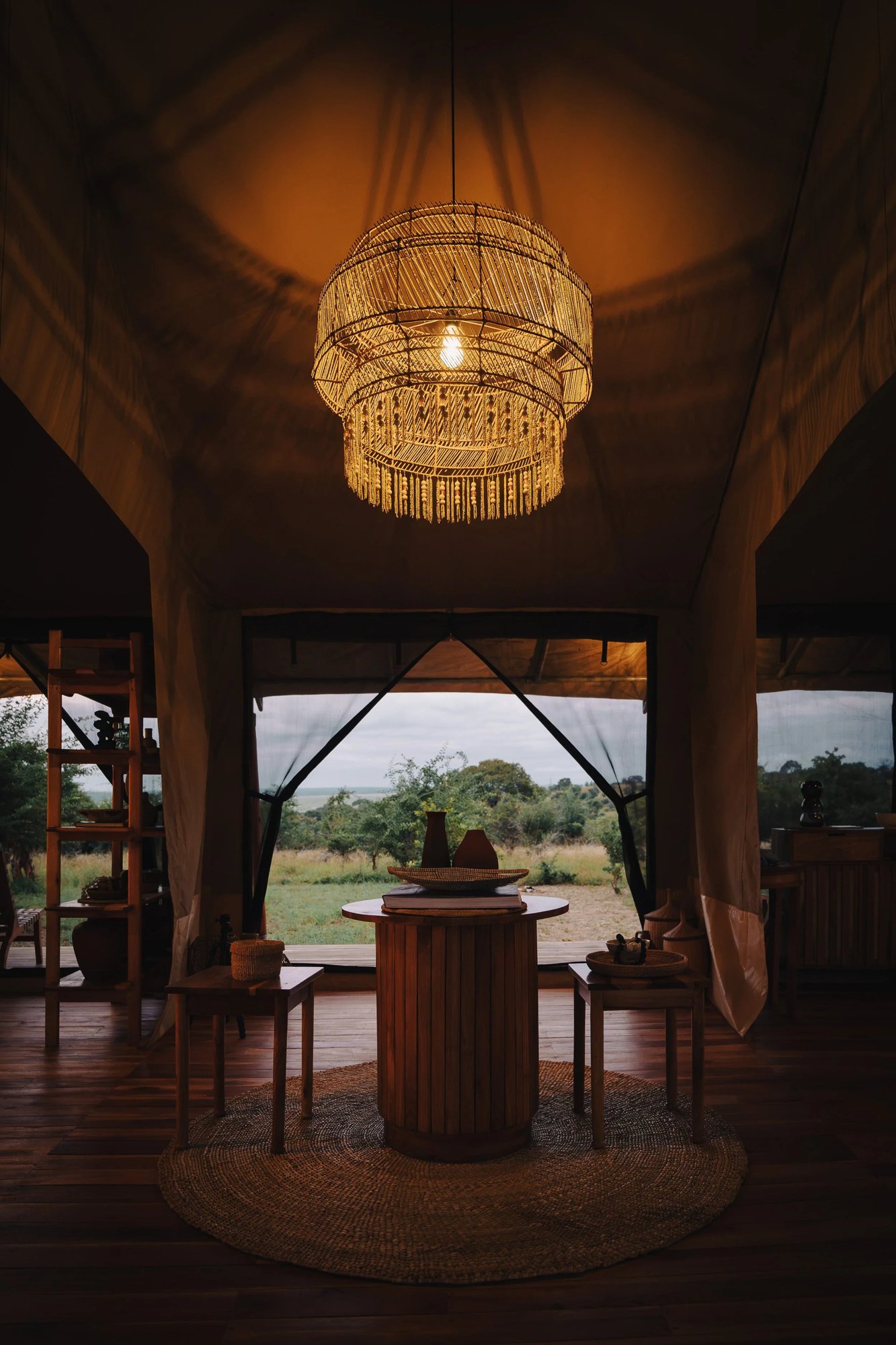
Plan this stay
Build your bespoke Tanzania safari with our team. Real lodge rates and itemised pricing throughout.
Build & price your trip