Standard Tent Single
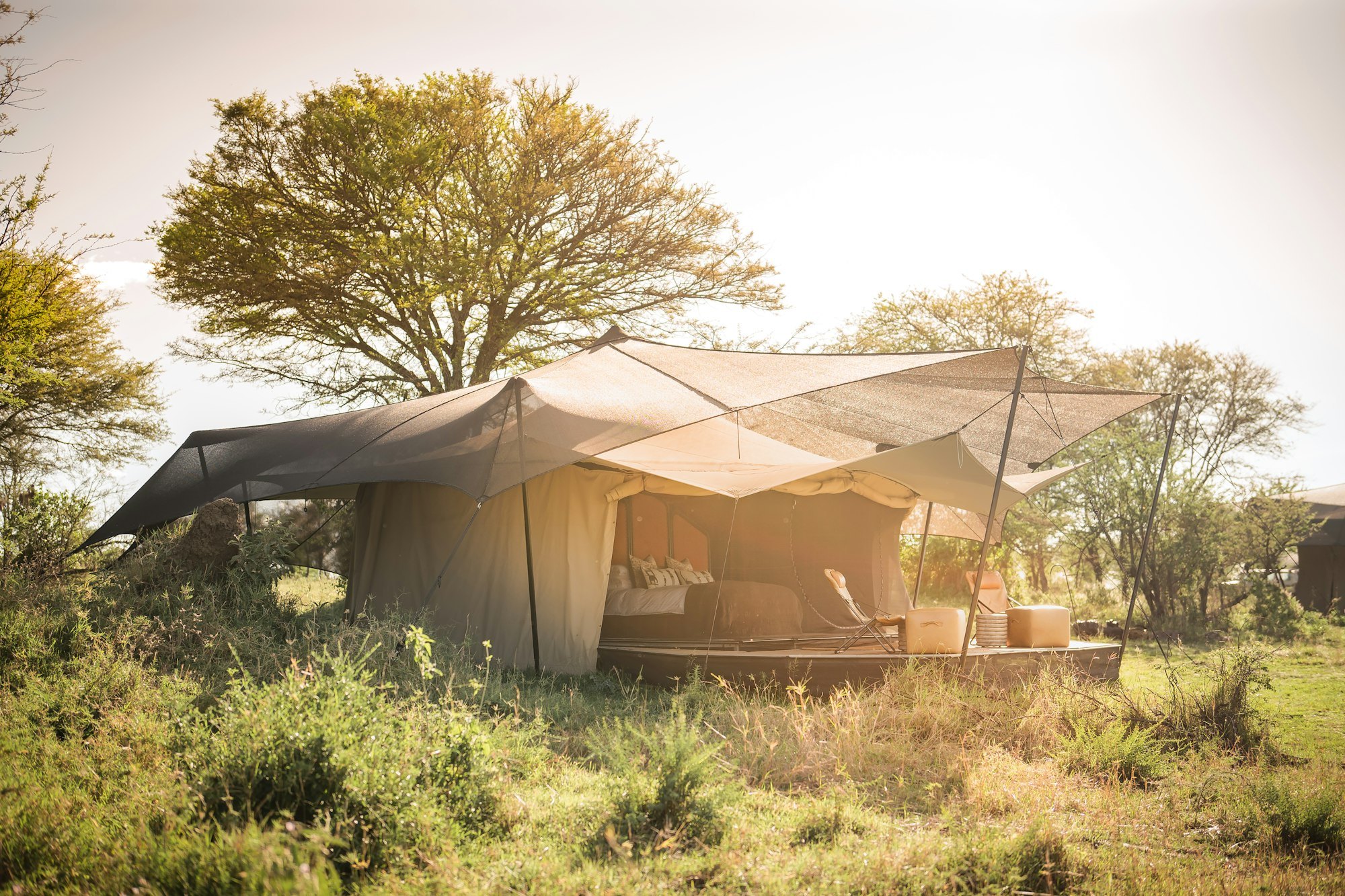
Solo canvas tent on the lakeside with en suite bathroom and private deck.
Lodges & partnersNdutu Ngorongoro Conservation
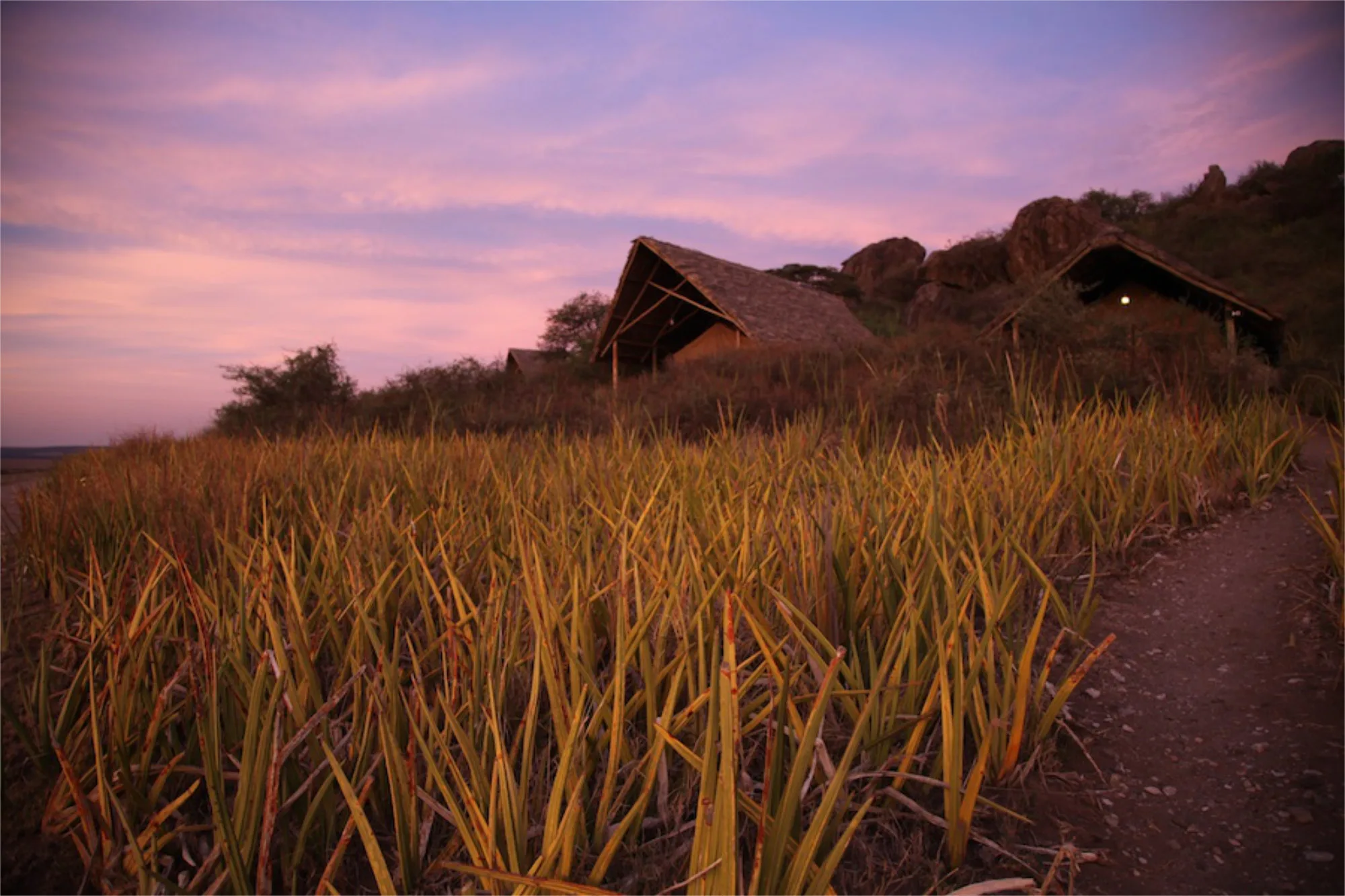
Permanent tents on the edge of Lake Masek in the southern Ngorongoro Conservation Area. Calving season base from December through March.
About
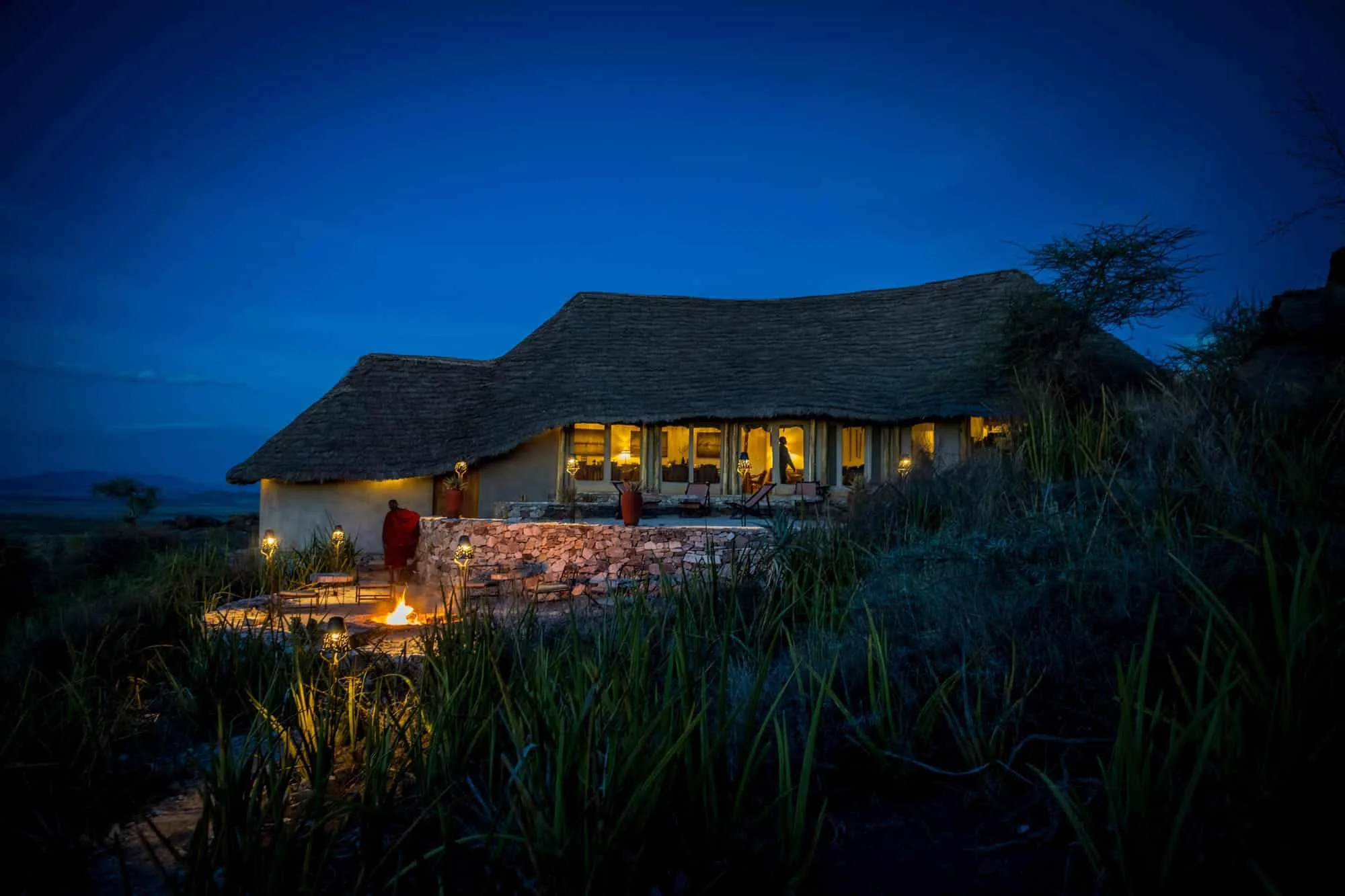
Masek Tented Lodge sits on the edge of Lake Masek in the Ndutu region of the southern Ngorongoro Conservation Area. The mobile camps in this region move with the migration. Masek does not. From December through March the calving herds gather within minutes of camp, with predator numbers to match. Outside calving, the bird life on the lake and the lower shoulder season pricing make Masek one of the better value premium properties in the country.
The Ndutu region is where the migration drops its calves, half a million wildebeest born in a window of about six weeks from the middle of February through March. Predator activity tracks the calves: cheetah pick off the weakest, lions hunt at the lake edges, hyenas clean up the kills. Outside the calving window Masek shifts character to a quieter base for birding and leopard, with the lake itself drawing hundreds of bird species and the surrounding marula and acacia woodlands holding resident leopards.
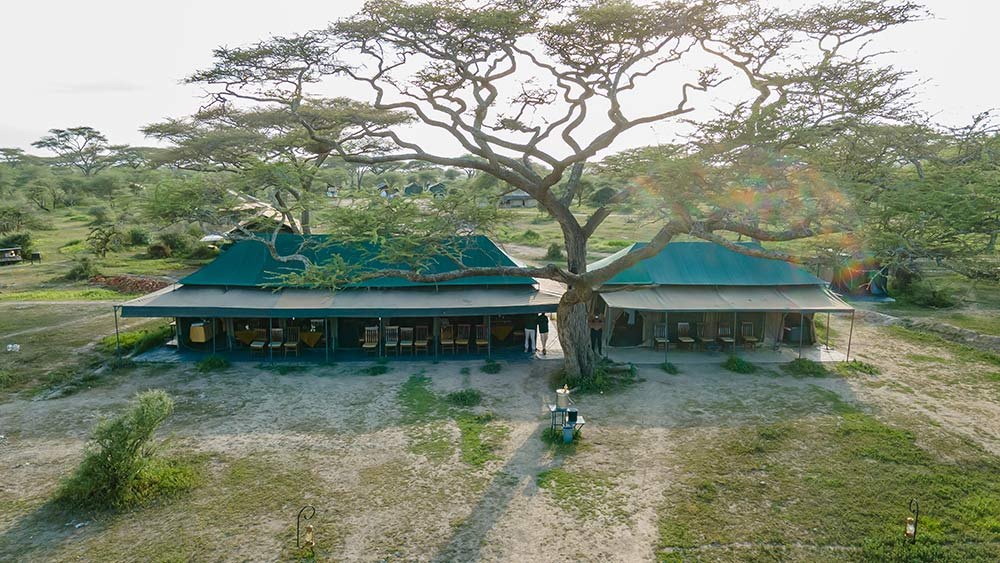
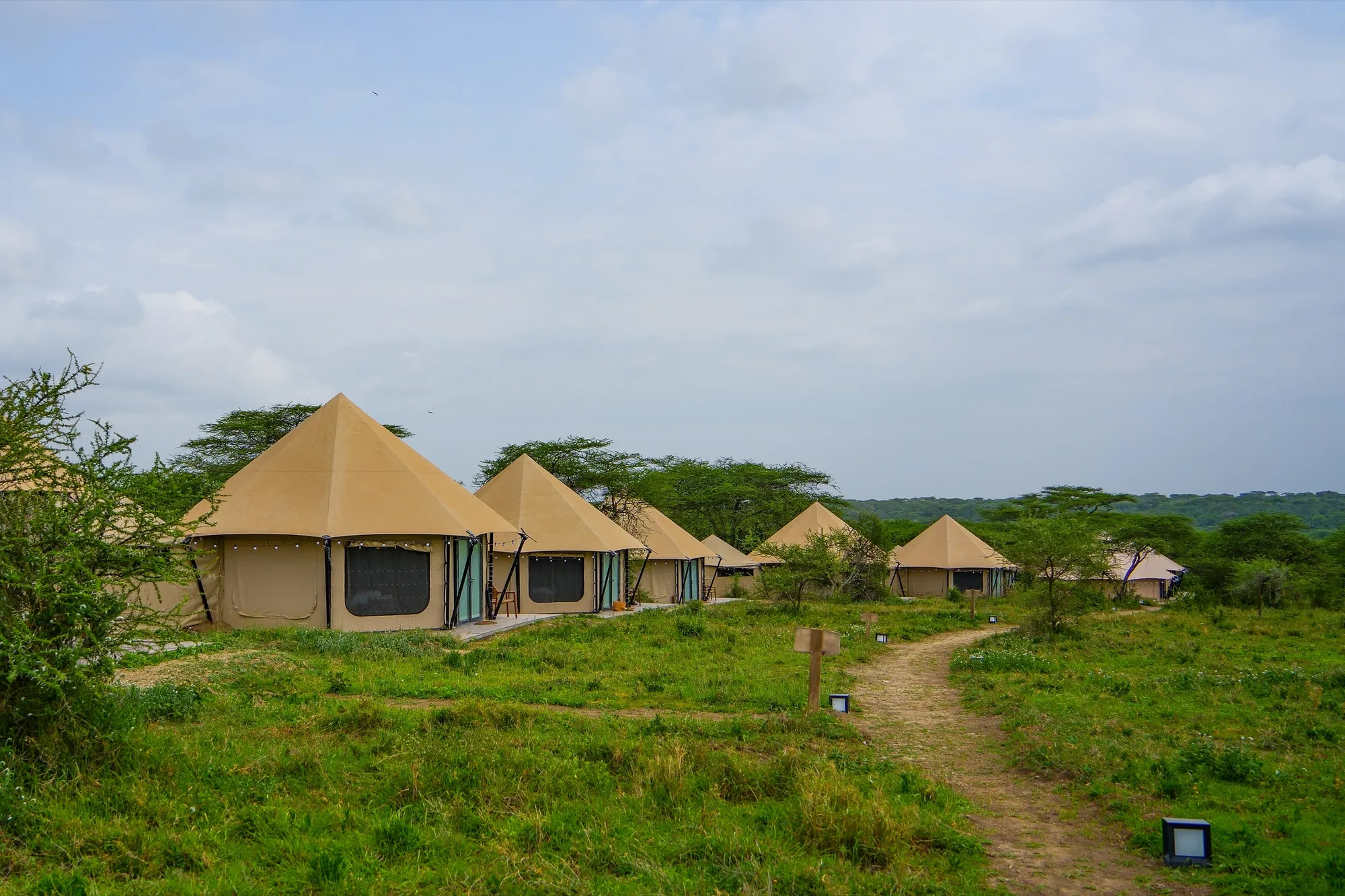
The accommodation is honest canvas and deck: Standard Tent in Single, Double and Triple configurations, plus an Interconnected Family Room for families travelling together. Each tent has hardwood floors over groundsheets, a private bathroom, and a deck looking onto the lake or the surrounding woodland. The dining and lounge area sits on the lakeside deck with full views across the water.
Best for calving season travel from December through March, photographers chasing the interaction between predator and prey during the births, families using the Interconnected Family Room, and shoulder season travellers who want premium comfort at a price that drops a long way outside the peak window.
Access is by light aircraft from Arusha to Ndutu airstrip, about 1hr 30min including the road transfer from JRO to Arusha Airport, then a short game drive transfer to camp.
Signature experiences
The middle of February through the middle of March is the calving peak, with half a million wildebeest born in about six weeks. Predator activity concentrates to match, and cheetah, lion and hyena hunt near the camp daily.
Lake Masek draws hundreds of bird species through the year. From camp the lake edge is a constant and easy viewing site through the day.
Half day drives east of the lake at the peak of the calving season, when the herds and their predators are on the short grass plains.
Outside calving season the lake and the surrounding wetlands offer some of the strongest birding in the southern Ngorongoro Conservation Area.
Gallery
Room types
Solo canvas tent on the lakeside with en suite bathroom and private deck.
Twin or king bed canvas tent with hardwood floor, en suite bathroom, and a deck looking onto the lake or the woodland.
Three bed configuration with the same canvas and deck character.
Family configuration with two interconnecting tents sharing a single front door.
At a glance
Best time to visit
Best months: January to March.
Location & access
Ndutu Ngorongoro Conservation
Approximately 2hr 45min total: 1hr JRO to Arusha Airport (ARK), then a 1hr 30min Cessna from ARK to Ndutu airstrip, then a 15 minute game drive transfer to camp.
Approximately 7 hours total via Arusha, Karatu, and across the Ngorongoro Conservation Area to Ndutu. Bush flight to Ndutu airstrip is the standard route.
On the map
3.029° S, 35.047° E
What's included
Frequently asked
Permanent tented rooms strung along the lake shore, in single, double and triple configurations, plus an interconnected family room that takes parents and children through one front door. Published room counts for the lodge disagree with each other, which usually means the property has been extended, so we confirm the current count with the lodge when you enquire.
All year, with peak demand from December through March during the calving season. The shoulder seasons bring significant rate drops.
By Cessna flight from Arusha Airport, 1hr 30min, to the Ndutu airstrip, then a 15 minute game drive transfer to camp.
Yes. The Interconnected Family Room handles parents and children sharing a single front door, and calving season travel suits families well given how dense the wildlife is.
Full board, soft drinks with meals, and TDL. Not included: NCAA entry fees, NCAA concession fees at $59 per adult per night and $11.80 per child, the game drive vehicle, soft drinks, flights and gratuities.
Mid February through mid March is the peak, with the migration on the short grass plains east of the lake. December and January are the building months as the herds arrive from the north.
Electricity runs 24 hours a day and is generated by solar panels. Wi Fi reaches the main areas rather than the tents, and each tent has an internal telephone through to reception. Charging is more dependable in the main area than in your tent, so carry a power bank for camera batteries. There is mobile signal at Ndutu but treat it as intermittent rather than reliable.
Large permanent tents with en suite bathrooms, flush toilets and hot and cold running water, a free standing bath and a separate outdoor shower, each with a veranda facing the lake.
Ndutu airstrip is about 4 km from the lodge, roughly 20 minutes on the track. Kusini is the next nearest at about 6 km, and Seronera is 80 km away in the central Serengeti.
Quieter and more open. The lodge stays open all year and the resident game stays put: elephant, giraffe, the smaller cats and a great deal of birdlife around the lake, with flamingos when the water suits them. Big cat sightings are less certain than they are in February and March. Ndutu is one of the few areas where driving off the track is permitted, which is why photographers keep coming back in the dry months. Expect dust on the plains and a lake that has dropped a long way by October.
The area sits at roughly 1,600 m, so nights and early mornings are cold, particularly from June through August, with lows around 14 to 15 degrees on the plains and colder again in an open vehicle at dawn. Pack a fleece and a windproof layer for the morning drive and light cotton for the middle of the day.
Drinking water is provided in every tent. The tap water in the bathroom is not for drinking and the lake itself is alkaline, so use what the lodge puts out for you.
Yes. From 1 October 2026 visitors entering mainland Tanzania must hold the government inbound travel insurance, 44 USD per adult and valid for up to 92 days, covering emergency medical care, evacuation, repatriation and lost luggage. Children aged 3 to 17 pay half and infants under 3 are free. It is bought online before you fly or on arrival, and residents of Tanzania and of East African and SADC countries are exempt. If you land in Zanzibar first, the Zanzibar policy covers you instead. It is paid by you directly and is not part of your trip price.
What's nearby
30min east. The calving season epicentre during Feb to Mar.
1hr drive. Paleontological site of the Leakey discoveries.
3hr drive to the rim, then the descent. Often added as a 1-2 night extension before or after Ndutu.
Nearby
The Ndutu Plains guide: where to stay, when to go and how to get there.
View : Every lodge we work with in Ndutu Plains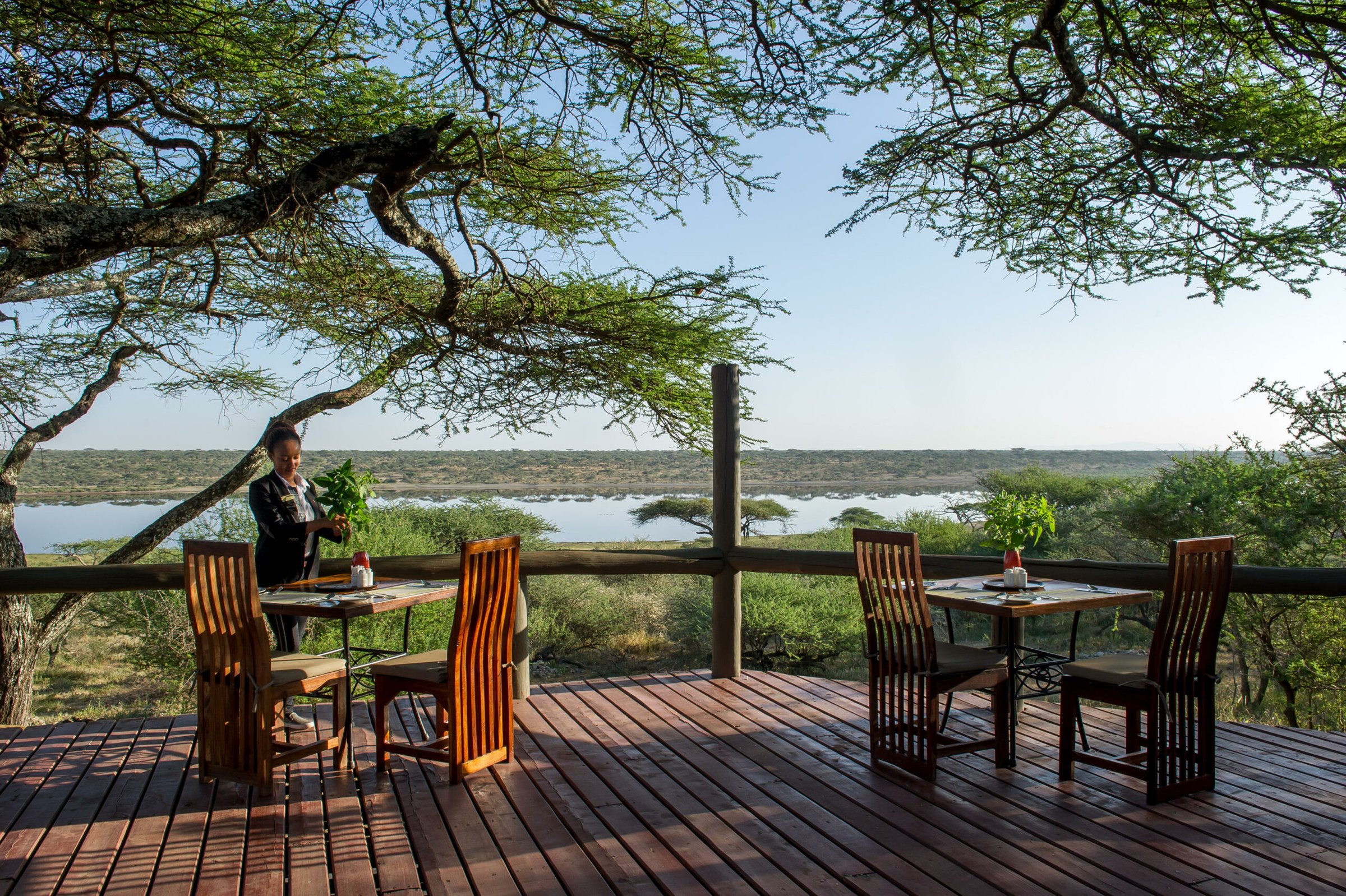
Plan this stay
Build your bespoke Tanzania safari with our team. Real lodge rates and itemised pricing throughout.
Build & price your trip